


Author: Site Editor Publish Time: 2026-02-18 Origin: Site
Why 100% Polyester Fabric Is the Preferred Choice for Industrial Tarpaulins
Waterproof, UV Resistant, and Weather Protection Considerations
Industrial tarpaulins operate in demanding environments where failure is costly and often dangerous. From construction sites and logistics yards to agricultural storage and transportation shielding, the fabric chosen determines durability, safety, and long-term performance. 100% Polyester Fabric has emerged as a leading material in industrial tarpaulin manufacturing due to its strength, dimensional stability, and resistance to environmental stressors. Selecting the right polyester fabric, however, is not a matter of simply choosing a generic specification. It requires understanding how fiber properties, fabric structure, protective treatments, and performance metrics align with real-world industrial demands.
This guide focuses exclusively on how to select 100% Polyester Fabric for Industrial Tarpaulins, translating technical parameters into practical decision-making criteria that procurement managers, engineers, and manufacturers can confidently apply.
100% Polyester Fabric offers a balanced combination of strength, durability, and environmental resistance that makes it especially suitable for Industrial Tarpaulins. Unlike blended fabrics, pure polyester delivers consistent performance without variability caused by mixed fibers. Polyester fibers exhibit high tensile strength, low moisture absorption, and excellent dimensional stability, meaning the fabric retains its shape even under prolonged tension or exposure to humidity.
Another critical advantage is polyester’s inherent resistance to stretching and shrinking. Industrial tarpaulins are often subjected to mechanical stress, wind loads, and repeated folding. Heavy duty 100% Polyester Fabric maintains structural integrity under these conditions, reducing the risk of tearing or deformation. Additionally, polyester performs well in both hot and cold climates, making it suitable for outdoor gear applications where temperature fluctuations are unavoidable.
From a manufacturing perspective, 100% Polyester Fabric is highly compatible with coatings and finishes such as PVC, PU, or acrylic layers, enhancing Waterproof and UV resistant properties without compromising flexibility. This adaptability allows the fabric to meet a wide range of industrial specifications while maintaining predictable performance.
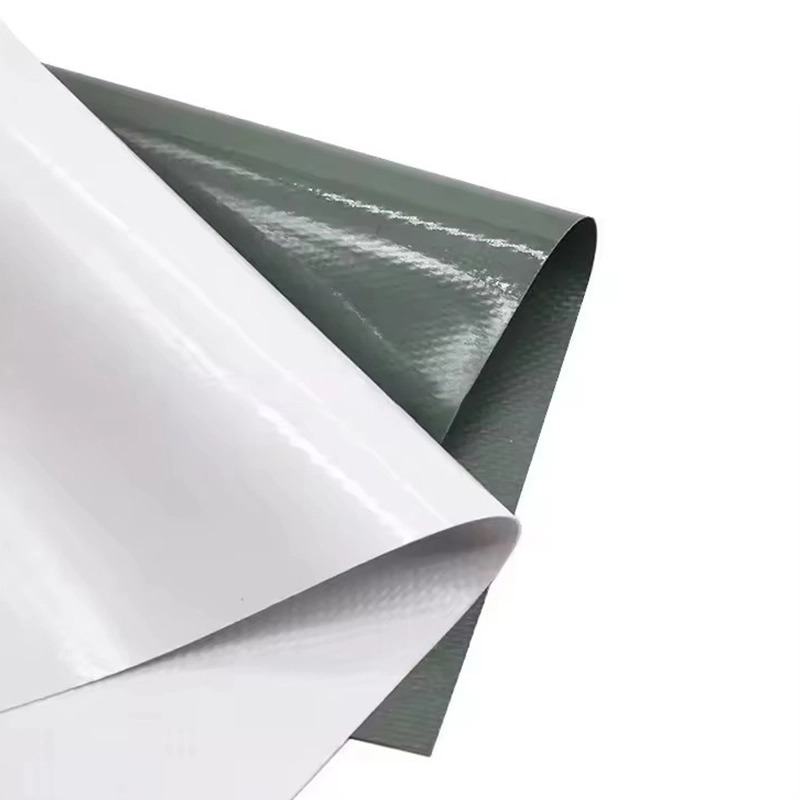
Selecting 100% Polyester Fabric for Industrial Tarpaulins begins with defining performance requirements based on application. Industrial tarps must protect assets from moisture, sunlight, abrasion, and mechanical stress. Polyester’s low water absorption makes it naturally resistant to mold and rot, while its smooth fiber surface supports effective coating adhesion for enhanced waterproofing.
Moisture management is often overlooked in tarpaulin selection. While tarps are designed to block water ingress, trapped condensation can cause internal damage. Properly engineered 100% Polyester Fabric supports controlled Moisture wicking when used in breathable composite structures, reducing internal moisture buildup in covered equipment or materials.
Environmental exposure is another decisive factor. Tarpaulins used in logistics yards or agricultural fields face constant UV radiation. Polyester fibers retain strength better than many alternatives under UV exposure, especially when paired with UV resistant treatments. This translates into longer service life and reduced replacement frequency, directly impacting operational costs.
Weave structure plays a crucial role in determining how 100% Polyester Fabric performs in industrial tarpaulin applications. Plain weaves provide balanced strength and stability, while reinforced or basket weaves enhance tear resistance for Heavy duty use cases. Fabric density, typically measured in grams per square meter (GSM) or denier, directly affects durability, flexibility, and handling.
Higher-density polyester fabrics offer superior puncture and abrasion resistance, which is essential for Industrial Tarpaulins exposed to rough surfaces or sharp edges. However, increased density also adds weight, which may affect installation and transport efficiency. The optimal choice balances mechanical strength with practical usability.
The table below outlines how density impacts application suitability:
| Fabric Density | Performance Characteristics | Typical Industrial Use |
|---|---|---|
| Medium GSM | Flexible, easy handling | Temporary covers, transport tarps |
| High GSM | High tensile and tear strength | Construction, heavy machinery covers |
| Extra High GSM | Maximum durability, low flexibility | Long-term outdoor storage |
Understanding how weave and density interact allows buyers to select 100% Polyester Fabric that matches both performance expectations and operational constraints.
Industrial tarpaulins must deliver reliable weather protection across seasons. While polyester fibers themselves resist moisture, true Waterproof 100% Polyester Fabric relies on coatings or laminations that seal the fabric surface. The quality of these treatments determines water column resistance, seam integrity, and long-term durability.
UV exposure gradually degrades most synthetic materials, but polyester maintains structural strength better than many alternatives. Selecting UV resistant 100% Polyester Fabric with stabilized coatings significantly slows fiber degradation, preserving tensile strength and color integrity over extended outdoor use. This is particularly important for outdoor gear applications such as truck covers, scaffolding enclosures, and agricultural tarps.
Weather resistance also includes wind performance. Polyester’s dimensional stability prevents excessive fluttering, reducing mechanical fatigue and noise. When combined with reinforced hems and secure fastening systems, the fabric maintains coverage even in high-wind conditions, ensuring consistent protection.
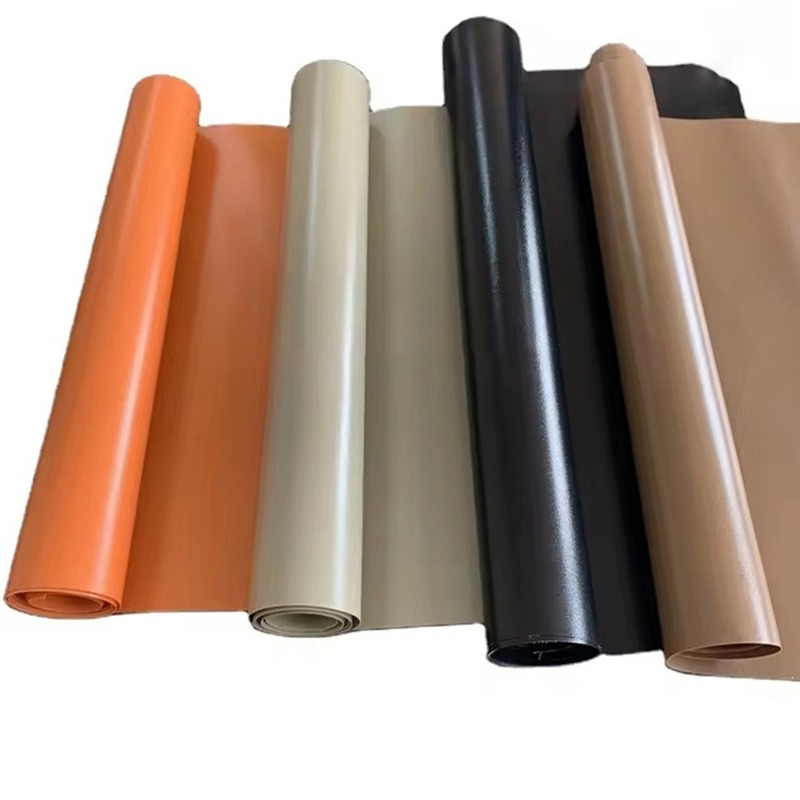
Mechanical performance is at the core of selecting 100% Polyester Fabric for Industrial Tarpaulins. Tensile strength, tear resistance, and puncture resistance define whether a tarp can withstand real-world industrial abuse. Polyester fibers offer excellent load-bearing capacity, making them ideal for applications involving tensioned installations or suspended covers.
Heavy duty 100% Polyester Fabric excels in scenarios where repeated stress is unavoidable. Construction sites, for example, expose tarps to friction, dragging, and impact. Polyester’s resilience minimizes micro-tearing, which often leads to premature failure in lower-grade fabrics.
Equally important is fatigue resistance. Industrial tarpaulins are frequently folded, rolled, and redeployed. Polyester fibers recover well from repeated bending, maintaining structural consistency over time. This mechanical reliability reduces downtime and enhances operational efficiency across industries.
Not all industrial environments impose the same demands. Selecting 100% Polyester Fabric requires aligning fabric properties with specific use cases. In logistics and transportation, lightweight yet durable fabrics reduce handling time while maintaining protection. In agriculture, resistance to moisture, UV, and biological growth is critical. Construction environments prioritize abrasion resistance and load-bearing strength.
Polyester’s versatility makes it adaptable across these scenarios. Its chemical resistance allows use in environments where exposure to oils, fuels, or mild chemicals is common. Additionally, 100% Polyester Fabric for Industrial Tarpaulins integrates well with custom fabrication processes such as welding, stitching, and eyelet reinforcement.
This adaptability ensures that a single fabric platform can be tailored to multiple industrial requirements, simplifying sourcing and quality control while maintaining performance consistency.
While initial cost is always a consideration, industrial buyers increasingly prioritize lifecycle value. 100% Polyester Fabric delivers strong cost efficiency due to its long service life and low maintenance requirements. Its resistance to rot, mildew, and UV degradation reduces replacement frequency, lowering total ownership costs.
Maintenance is straightforward. Polyester tarpaulins clean easily and dry quickly due to low moisture absorption. When properly specified, coatings remain intact through repeated cleaning cycles, preserving Waterproof and UV resistant properties.
From a sustainability perspective, durability translates into reduced material waste. Longer-lasting tarpaulins mean fewer replacements and lower resource consumption over time, aligning operational efficiency with environmental responsibility.
Selecting the right 100% Polyester Fabric for Industrial Tarpaulins requires more than basic material recognition. It involves evaluating performance requirements, weave structure, environmental resistance, mechanical strength, and long-term value. Polyester’s inherent properties—strength, stability, and adaptability—make it a reliable foundation for industrial tarpaulin applications across sectors.
By focusing on application-specific needs and understanding how fabric characteristics translate into real-world performance, decision-makers can confidently choose 100% Polyester Fabric that delivers durability, protection, and cost efficiency over its entire service life.
Q1: Why is 100% polyester preferred over blended fabrics for industrial tarpaulins?
A: 100% Polyester Fabric provides consistent strength, better dimensional stability, and predictable performance, which is critical for Industrial Tarpaulins exposed to mechanical stress and weather.
Q2: Is 100% polyester fabric naturally waterproof?
A: Polyester fibers resist moisture, but true Waterproof 100% Polyester Fabric requires coatings or laminations to fully block water penetration.
Q3: How does polyester perform under UV exposure?
A: Polyester maintains tensile strength better than many fibers, especially when treated to be UV resistant, making it suitable for outdoor gear and long-term outdoor use.
Q4: What makes polyester suitable for heavy-duty applications?
A: High tensile strength, tear resistance, and fatigue resistance make Heavy duty 100% Polyester Fabric ideal for demanding industrial environments.
Q5: Does polyester fabric require special maintenance?
A: No. 100% Polyester Fabric is low-maintenance, quick-drying, and resistant to mold and mildew, reducing upkeep costs over time.


