


When it comes to outdoor protection, PE tarpaulin is often sought after for its waterproof capabilities, especially in construction, agriculture, and event management. As a versatile material, PE tarpaulin offers excellent resistance to environmental factors. However, many customers wonder just how waterproof it truly is and whether it can withstand the varied weather conditions often encountered outdoors. In this article, we will dive into the waterproof nature of PE tarpaulin, how it performs in various weather conditions, and its suitability for different outdoor applications.
PE tarpaulin is made from polyethylene, a thermoplastic polymer that is naturally resistant to water. This characteristic makes PE tarpaulin an ideal material for use in environments where moisture is a concern. The polyethylene molecules in the tarpaulin create a dense structure, which acts as a barrier to water, preventing it from seeping through the material.
Polyethylene’s inherent water resistance means that PE tarpaulin can protect against rain, snow, and other sources of moisture, ensuring that items or areas covered by the material remain dry. This is particularly important in industries like agriculture, construction, and transportation, where exposure to water can cause damage to equipment, goods, and structures.
In addition to its natural water resistance, PE tarpaulin is often treated with UV stabilizers during the manufacturing process. This treatment helps the material resist the harmful effects of ultraviolet radiation, which can cause materials to degrade over time. The UV treatment not only enhances the durability of PE tarpaulin but also improves its ability to maintain its waterproof properties even after prolonged exposure to sunlight.
The added coating ensures that PE tarpaulin remains flexible and strong, further enhancing its effectiveness in outdoor applications. This is particularly beneficial for long-term use in environments where UV exposure is a constant factor.
PE tarpaulin is highly effective in protecting against rain and snow, making it a popular choice for covering goods, machinery, and temporary shelters. Its waterproof nature ensures that water does not penetrate the surface, keeping everything beneath the tarp dry and secure. This makes PE tarpaulin ideal for covering construction materials, agricultural products, and equipment exposed to rainy or snowy conditions.
In addition to water protection, PE tarpaulin is also resistant to humidity, which is crucial in environments where moisture levels are consistently high. Whether used in tropical climates or damp regions, PE tarpaulin offers reliable protection for a variety of applications.
The ability of PE tarpaulin to withstand UV exposure is another key factor in its overall performance. UV radiation from the sun can degrade many materials over time, causing them to lose their strength and flexibility. However, the UV stabilizers incorporated into PE tarpaulin help to protect the material from these harmful rays, ensuring that it retains its water-resistant properties and overall integrity even after prolonged exposure to sunlight.
This makes PE tarpaulin an excellent choice for outdoor use in areas with intense sun exposure, such as construction sites, farms, and outdoor events. The UV treatment also helps maintain the tarpaulin’s appearance, preventing it from fading or becoming brittle.
On construction sites, PE tarpaulin is frequently used to cover equipment, materials, and machinery, protecting them from rain, dust, and sunlight. The waterproof and weather-resistant properties of PE tarpaulin make it an essential tool for safeguarding valuable assets and ensuring that construction projects continue smoothly despite challenging weather conditions.
For example, contractors often use PE tarpaulin to protect steel beams, concrete, and other construction materials from getting wet, which could cause rusting or deterioration. The lightweight nature of PE tarpaulin also makes it easy to deploy and remove as needed, offering both flexibility and protection.
In landscaping, PE tarpaulin is commonly used to cover plants, soil, and other outdoor materials. Its waterproof nature ensures that the soil remains dry and that plants are protected from heavy rain or snow. Additionally, PE tarpaulin can be used to protect landscaping equipment from exposure to the elements, extending the life of tools and machinery.
Similarly, PE tarpaulin plays a crucial role in protecting cargo during transportation. It is often used to cover pallets, crates, and shipping containers, ensuring that the contents remain dry and safe from water damage. The material’s ability to withstand various weather conditions makes it a trusted choice for shipping companies and freight handlers.
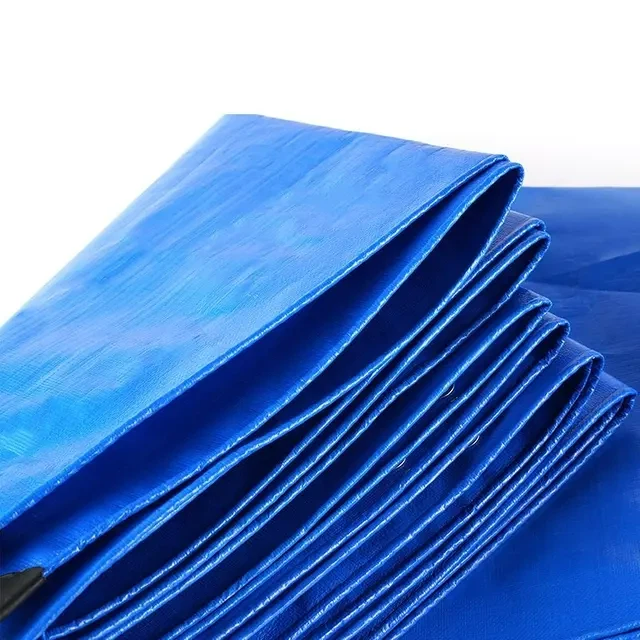
While PE tarpaulin is highly effective at protecting against water and UV rays, it is not completely puncture-proof. In situations where the tarpaulin is subjected to sharp objects or extreme pressure, it may tear or develop holes. This is particularly important to keep in mind when using PE tarpaulin in environments where heavy equipment or sharp materials are present.
To mitigate this issue, it is recommended to avoid placing sharp objects directly on the tarpaulin or to use additional protective layers in high-risk areas. Reinforcing the edges and seams of PE tarpaulin can also help enhance its resistance to tearing.
When compared to PVC tarpaulin, PE tarpaulin offers a more lightweight and cost-effective solution for waterproofing, but it may not be as durable in extreme conditions. PVC tarpaulin tends to outperform PE tarpaulin in terms of puncture resistance and strength under high-stress applications. However, PE tarpaulin is still highly effective for most outdoor use cases and provides a better balance of cost, flexibility, and waterproof performance for general applications.
In cases where extra durability is required, such as in heavy-duty industrial environments, PVC tarpaulin may be the better choice. However, for many outdoor applications, PE tarpaulin offers sufficient waterproofing and protection at a more affordable price point.
To enhance the waterproof performance of PE tarpaulin, it is recommended to reinforce the edges and install grommets. The edges of the tarpaulin are often the most vulnerable to wear and tear, so reinforcing them with additional layers of material or stitching helps prevent water from seeping through. Grommets can be added to facilitate secure fastening and help prevent the tarpaulin from shifting in windy conditions, further improving its overall effectiveness.
Ensuring proper installation of PE tarpaulin is crucial for maximizing its waterproof performance. When installing the tarpaulin, make sure that it is stretched tightly over the area you are protecting, as loose tarpaulin can collect water, leading to pooling and potential water leakage. It is also important to secure the tarpaulin with ropes or bungee cords to prevent it from being blown away by strong winds.
For applications where water pooling is a concern, it is advisable to set the tarpaulin with a slight slope to allow rainwater to drain off easily.
In conclusion, PE tarpaulin is an effective, affordable solution for protecting against water and weather-related challenges. Its waterproof performance makes it ideal for a wide range of outdoor applications, from construction and agriculture to cargo protection and temporary shelters. While it is not fully puncture-proof under extreme conditions, its durability and cost-effectiveness make it a practical choice for most situations.
If you need a reliable and versatile PE tarpaulin for your next project, feel free to contact us to learn more about our products and how they can meet your needs.
1. Is PE tarpaulin waterproof enough for outdoor use?
Yes, PE tarpaulin is waterproof and provides excellent protection against rain, moisture, and other environmental conditions.
2. Can PE tarpaulin withstand UV exposure?
Yes, PE tarpaulin is treated with UV stabilizers to ensure that it resists degradation from sunlight, making it ideal for outdoor use.
3. How does PE tarpaulin compare to PVC tarpaulin?
While PE tarpaulin is more lightweight and cost-effective, PVC tarpaulin offers superior strength and puncture resistance, making it better suited for heavy-duty industrial applications.
4. What can I do to improve the waterproof performance of PE tarpaulin?
Reinforcing the edges with additional layers of material and using proper installation methods, such as securing the tarpaulin tightly and adding grommets, can help improve its waterproof performance.


