


Author: Site Editor Publish Time: 2026-06-01 Origin: Site
Deploying inadequate outdoor protection exposes your critical assets to severe operational and financial risks. Unpredictable weather easily ruins valuable equipment if left unguarded. Water damage, rapid UV degradation, and sudden wind-tear failures cost commercial businesses and residential homeowners heavily every single year. You need a reliable, steadfast shield against these relentless elements. Industry professionals consistently rely on polyethylene as the baseline standard for demanding environmental applications. It creates a highly effective, lightweight, and high-tensile moisture barrier. This guide gives you a comprehensive technical evaluation framework to navigate the protective cover market confidently. We will help you understand the precise nuances of industrial fabrics. You will learn exactly how to match specific grades, weights, and chemical treatments directly to your exact shelter requirements. By the end of this guide, you can make an informed procurement decision to secure your outdoor spaces and extend the lifespan of your valuable structural investments.
Structure: PE tarps rely on a woven HDPE core and LDPE coating to achieve absolute moisture resistance without excessive weight.
Lifespan & UV: Real-world longevity is dictated by GSM (grams per square meter) and the integration of chemical UV stabilizers, not just marketing claims.
Material Selection: While a PE tarpaulin excels in cost-to-performance ratio for static shelters, dynamic or extreme-abrasion environments may require heavier PVC alternatives.
Failure Points: Wind sheer at the grommet connection is the most common point of failure, requiring specific tie-down strategies to maximize lifespan.
The true strength of a reliable shelter cover starts at the microscopic level. Manufacturers build these rugged covers using a highly engineered bi-layer construction method. They cross-weave High-Density Polyethylene (HDPE) plastic tapes together to form a robust, grid-like core. This underlying core provides exceptional tear strength and dimensional stability under tension. Next, they laminate both sides of this woven core using Low-Density Polyethylene (LDPE). This outer lamination process completely seals the tiny gaps between the woven tapes. It creates an absolute 100% moisture barrier. This specific chemical architecture is exactly how a high-quality waterproof tarpaulin effectively blocks driving rain, sleet, and heavy snow.
However, sunlight quickly destroys raw plastics. Ultraviolet radiation breaks down molecular polymer chains, making the material brittle and weak. To combat this inevitable degradation, engineers extrude specific UV inhibitors directly into the yarn during the initial manufacturing phase. They utilize specific compounds like carbon black or specialized Hindered Amine Light Stabilizers (HALS). These chemical additives act as microscopic shields. They absorb or reflect harmful ultraviolet radiation away from the plastic bonds. This sophisticated chemistry significantly delays photodegradation and prevents the fabric from failing prematurely under the summer sun.
Moisture resistance also depends heavily on how the manufacturer joins the fabric panels together. Stitching creates thousands of tiny needle holes along the seams. Water finds these microscopic holes easily, leading to internal drips. Premium protective covers solve this problem using heat-sealed seams instead. Industrial hot-wedge welders melt the LDPE layers slightly and fuse them together under high pressure. This creates a permanent, continuous plastic bond. Heat-welded seams outperform stitched seams entirely because they prevent all water ingress, establishing the baseline for genuine waterproof performance.
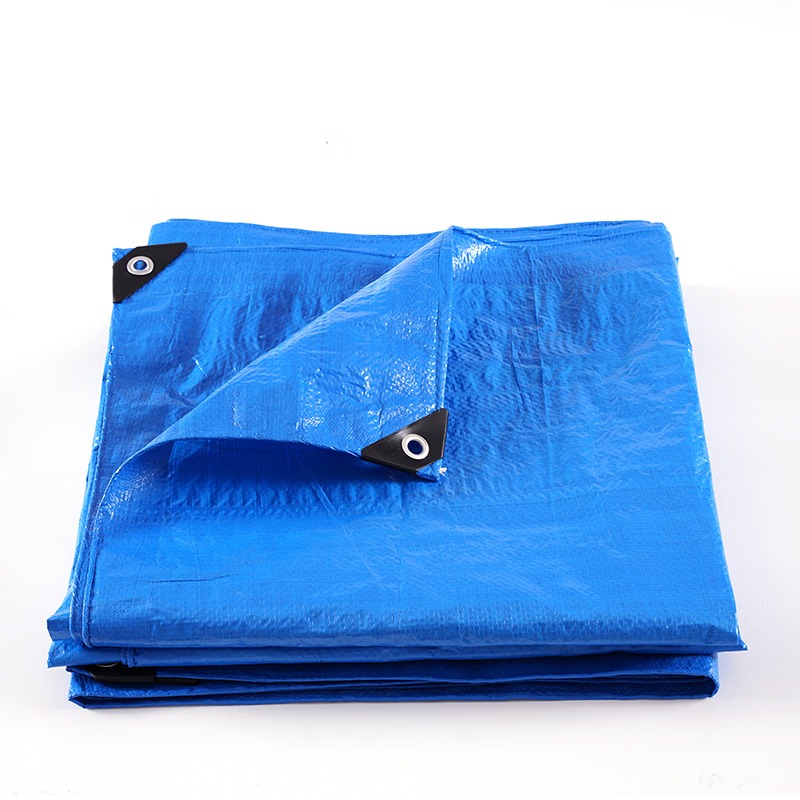
Not all covers deliver the same performance in the field. You must evaluate specific technical grades before deploying them outdoors. Understanding these metrics helps you prevent catastrophic shelter failures during severe weather events.
Weight directly indicates material density, thickness, and overall robustness. We classify these materials based on their GSM rating.
Light Duty (Under 100 GSM): These lightweight sheets work well for temporary indoor dust protection or brief leaf collection. However, they remain highly susceptible to wind shear. You should avoid using them for structural outdoor shelters.
Medium Duty (100–140 GSM): These offer moderate protection for short-term seasonal tasks like covering firewood stacks or patching a roof temporarily.
Heavy Duty (150–180+ GSM): This represents the absolute minimum requirement for sustained outdoor structures. Gazebos, agricultural storage tents, and base camping frames need this dense material to survive high winds and heavy downpours.
Super Heavy Duty (200+ GSM): These premium grades feature the thickest LDPE coatings. They handle intense winter snow loads and extended year-round deployments effortlessly.
Here is a summary chart mapping GSM to practical applications:
GSM Category | Weight Class | Ideal Outdoor Application | Wind Resistance Level |
|---|---|---|---|
60 - 90 GSM | Light Duty | Temporary debris cover, indoor painting | Low |
100 - 140 GSM | Medium Duty | Firewood cover, seasonal patio furniture | Moderate |
150 - 190 GSM | Heavy Duty | Camping shelters, event canopies | High |
200+ GSM | Super Heavy Duty | Year-round commercial storage, roof tarps | Very High |
You should always look at the internal mesh closely. A tighter mesh weave directly correlates to higher puncture and frost resistance. Manufacturers express this metric as a grid number. A 14x14 or 16x16 weave means there are 14 or 16 interlaced yarns per square inch. Low weave counts (like 8x8) stretch and distort easily under tension. High weave counts maintain structural integrity and prevent sharp objects from piercing the core. Denier measures the actual thickness of the individual yarns. Higher denier numbers mean the manufacturer used thicker, stronger individual plastic threads.
The outer edges of your shelter endure the highest kinetic stress. The best covers feature heavily reinforced, heat-welded hems. They also enclose a continuous poly-rope inside this perimeter edge. This rope acts as a structural frame. It distributes localized tension evenly across the entire border. Furthermore, grommet material matters immensely. Rust-prone steel grommets degrade quickly outdoors, leaving sharp edges that slice the fabric. You should specify solid brass or thick aluminum grommets. They resist corrosion perfectly. Ensure the manufacturer spaces these grommets every 18 to 24 inches to provide adequate anchor points.
Choosing the right material requires understanding the broader landscape of industrial fabrics. Different environments demand different chemical and structural properties.
When handling installation logistics, weight becomes a critical factor. Polyethylene remains relatively lightweight and easy to deploy. A single person can easily drape a large cover over residential or light-commercial shelters. Conversely, a PVC tarpaulin feels substantially heavier. Polyvinyl chloride fabrics often exceed 500 GSM. This massive weight makes installation a demanding, multi-person job.
However, PVC offers distinctly superior abrasion resistance. It completely dominates high-friction, dynamic environments. For example, highway logistics companies almost exclusively use PVC when they need a heavy-duty truck tarpaulin. The material survives brutal wind buffeting at seventy miles per hour without shredding. Yet, for static outdoor shelters, polyethylene provides ample environmental protection without introducing unnecessary bulk or extreme handling difficulties.
Moisture management presents another critical comparison point. A standard PE tarpaulin acts as an absolute 100% moisture block. It does not breathe whatsoever. Conversely, chemically treated canvas fabrics naturally allow air passage. Specialized industries rely heavily on this breathable nature. For instance, agricultural pest control teams utilize a specialized fumigation canvas tarpaulin. This tightly woven canvas retains the necessary active pest-control gas but effectively resists harsh chemical degradation.
Regarding budget allocation, polyethylene offers a significantly lower barrier to entry. Traditional canvas or PVC solutions demand a high upfront investment. Polyethylene makes perfect economic sense for seasonal or mid-term deployments. You can deploy it affordably, use it rigorously, and replace it without breaking the budget when environmental degradation finally occurs.
Even the highest-grade cover fails if you install it poorly. You must actively mitigate environmental setup risks to maximize the lifespan of your shelter.
You must address one physical reality immediately: polyethylene fabrics do not stretch. They possess practically zero elasticity. When you use rigid tie-downs like non-stretching ropes or metal chains, you transfer all kinetic wind energy directly to the metal grommets. This mechanical mistake causes immediate grommet tear-out during the first major storm. We strongly advocate using elastic bungee cords or flexible rubber tensioners. These elastic tools absorb sudden wind shocks dynamically. They distribute the heavy load evenly and preserve the structural integrity of the corner hems.
Follow these standard practices for securing your shelter:
Anchor the four main corners first to establish equal diagonal tension across the roof plane.
Attach flexible bungee cords to every single available grommet along the perimeter.
Avoid overtightening the cords. Leave a small amount of slack to allow the fabric to absorb wind flutter naturally.
Inspect the tie-downs weekly. Replace any frayed elastic cords immediately before the next weather event hits.
Because these covers block all external moisture, they introduce a hidden internal danger: condensation. Closed outdoor shelters easily trap ground moisture and ambient heat. When warm internal air hits the cold plastic roof at night, it condenses rapidly. This creates a miniature rainstorm inside your shelter. You must provide adequate ventilation to prevent this. Install cross-breeze gaps near the ground. Leave small openings at the highest ridge points. Managing airflow actively prevents internal moisture buildup from rusting your tools or causing severe mold growth on your stored assets.
No outdoor plastic lasts forever under continuous solar radiation. We provide honest operational timelines based on regional UV index exposure. A heavy-duty, professionally UV-treated cover generally survives one to three years in continuous, direct sunlight. Eventually, you will notice a powdery surface chalking. This indicates the sacrificial chemical stabilizers have depleted. Structural lamination peeling usually follows shortly after. Plan your proactive replacement cycles around these practical expectations to ensure continuous asset protection.
Sourcing the correct materials demands a sharp, critical eye. Many options look identical in photographs but perform drastically differently outdoors. Use this technical checklist to vet potential suppliers effectively.
Unfortunately, some vendors inflate their GSM specifications or apply superficial, ineffective UV coatings. You must protect your investment by understanding the difference between "cut size" and "finished size." Manufacturers cut the initial fabric to a specific dimension (the cut size). However, they fold the edges over to create the reinforced hems. This folding process consumes several inches of material. Therefore, a 10x10 foot cut size yields a finished size closer to 9'6" x 9'6". Honest manufacturers disclose both measurements clearly. Always calculate your coverage based solely on the finished size.
Additionally, examine the seam thickness if possible. Look for thick, uniform heat-welds. Inconsistent, wavy seams indicate poor quality control. A weak seam will eventually blow open under heavy snow loads.
Certain deployment projects require strict regulatory safety compliances. You should always check for recognized fire-retardant (FR) certifications if the cover operates near public spaces. For example, public outdoor events, festival tents, and specific commercial construction sites legally mandate FR-rated materials. Standard polyethylene melts rapidly and fuels active fires. If you operate near heating units, welding stations, or outdoor kitchens, you must specify a chemically treated FR-grade material to ensure operational safety.
Analyze your specific deployment duration carefully. Do not instinctively buy the absolute cheapest option available. Purchasing multiple flimsy covers for cyclical replacement often costs significantly more in the long run. The frequent manual labor required to remove torn sheets and reinstall new ones disrupts operations. Instead, invest upfront in a thicker, higher-GSM grade for any sustained deployment. Thicker materials resist wind fatigue longer. This strategic procurement approach reduces your ongoing maintenance overhead and provides uninterrupted peace of mind.
A well-chosen polyethylene cover acts as a highly engineered, cost-effective solution for structural protection. It performs flawlessly when you match its technical specifications directly to your local environmental stress factors. By understanding the bi-layer architecture and the critical importance of UV stabilizers, you avoid purchasing inadequate materials. You must evaluate the GSM density to handle your expected wind loads and snow accumulation properly.
Your next steps are clear and actionable. First, assess the specific GSM requirement of your upcoming project based on the duration of exposure. Second, calculate your required dimensions using the finished size, not the cut size, to guarantee sufficient overhang. Finally, verify the hardware quality, ensuring you receive rust-proof grommets and heat-welded seams. Taking these precise steps ensures you secure your outdoor assets effectively against the harshest weather conditions.
A: Yes. High-quality LDPE laminations feature excellent cold-crack resistance. Manufacturers engineer the outer polymer layers to remain flexible even in sub-zero environments. However, you should avoid striking or heavily impacting the taut fabric during extreme deep freezes, as extreme cold slightly reduces the material's impact resistance.
A: You must understand the difference between "UV resistant" and "UV proof." No plastic is entirely UV proof. Standard UV resistance typically lasts between one to three years. This exact timeframe depends heavily on your geographic sun exposure intensity and the chemical concentration of the manufacturer's stabilizers.
A: Yes, you can successfully repair minor punctures. Use specialized PE repair tape. It features an aggressive, waterproof adhesive designed specifically to bond with polyethylene surfaces. However, if a major structural seam tears apart or a corner grommet blows out completely, you must replace the entire cover.


