


Author: Site Editor Publish Time: 2026-01-22 Origin: Site
PU Tarpaulin has become an essential material for a wide range of protective applications across industries, from construction and agriculture to transportation and medical fields. This versatile material combines the strength and flexibility of fabric with the superior properties of polyurethane coating, offering excellent waterproofing, chemical resistance, and durability. Whether used for protecting equipment, sheltering materials, or providing sterile covers, PU Tarpaulin stands out as an ideal choice for industries demanding robust, long-lasting, and reliable solutions.
In this article, we will dive deep into the key features of PU Tarpaulin, explore its coating technology, and evaluate its performance under various conditions. By the end of this guide, you will have a comprehensive understanding of why PU Tarpaulin is a top choice for protective applications and its growing importance across different sectors.
PU Tarpaulin is a protective material that combines a high-strength fabric base (typically made of polyester or similar synthetic fibers) with a polyurethane (PU) coating. The result is a versatile and durable product that performs well under harsh environmental conditions. The PU coating enhances the fabric’s resistance to moisture, chemicals, and abrasion while maintaining flexibility and strength.
The unique combination of materials gives PU Tarpaulin several advantages over traditional tarpaulins, including lighter weight, better flexibility, and superior weather resistance. It is used in a wide variety of industries, where its properties ensure protection and reliability in even the most demanding applications.
PU Tarpaulin is known for several standout features:
Waterproofing: It forms a strong barrier against water, preventing moisture from damaging covered goods or equipment.
Chemical Resistance: The PU coating makes the material resistant to a wide range of chemicals, including oils, solvents, and disinfectants.
Durability: PU Tarpaulin is highly durable and resistant to wear and tear, ensuring long-lasting protection in tough environments.
UV Resistance: The coating protects the fabric from UV rays, preventing degradation when exposed to sunlight.
Flexibility: Unlike other materials like PVC or PE tarpaulins, PU Tarpaulin remains flexible even in extreme temperatures.
PU Tarpaulin is renowned for its waterproof properties, making it ideal for use in environments where moisture exposure is a constant concern. Whether it’s protecting construction materials, agricultural crops, or transported goods, the PU Tarpaulin ensures that water does not seep through and cause damage.
The PU coating creates an effective barrier against rain, snow, and other forms of moisture, keeping the underlying materials dry. This is crucial in industries like construction, where protecting materials from rain can prevent delays and additional costs.
Another key feature of PU Tarpaulin is its chemical resistance. The PU coating provides excellent protection against a wide range of chemicals, including oils, acids, and solvents, making it ideal for industrial environments where exposure to harsh chemicals is common. For example, in the agriculture industry, PU Tarpaulin is used to protect crops from chemical pesticides or fertilizers.
Chemical | Effect on Other Materials | PU Tarpaulin Resistance |
Acids | Breaks down fibers and coatings | Excellent resistance |
Oils and Greases | Weakens materials, causes wear | High resistance |
Bleach | Causes discoloration and damage | No significant effect |
Disinfectants | May degrade non-resistant materials | Resistant to common disinfectants |
Thanks to its ability to resist chemicals, PU Tarpaulin is also used in medical environments, where exposure to disinfectants and sterilization agents is frequent. This allows it to be used for equipment covers and sterile drapes, ensuring that both the equipment and the surrounding environment remain safe from contaminants.
PU Tarpaulin is also highly resistant to abrasion, which ensures that it maintains its structural integrity and protective qualities even under tough handling and wear. Abrasion resistance is particularly important in applications where the material is frequently exposed to friction, such as transportation or industrial settings. The strong, tough coating ensures that the material doesn’t wear down easily, maintaining its protective abilities over time.
The UV resistance of PU Tarpaulin is another important feature, especially in applications where the material is exposed to direct sunlight for extended periods. PU Tarpaulin's coating prevents UV degradation, which can cause other materials, like PVC, to become brittle and lose their strength. With PU Tarpaulin, users can expect long-lasting performance even in harsh outdoor environments, such as construction sites or agricultural fields, where UV exposure is constant.
The PU coating is a key component of PU Tarpaulin and is responsible for the material's enhanced performance. Polyurethane is a versatile, durable, and flexible polymer that provides a range of properties essential for protective applications. It is applied as a thin, even layer over the fabric, binding the fibers together and making the material resistant to water, chemicals, and physical wear.
Polyurethane is chosen for its ability to provide waterproofing while maintaining breathability, a feature that is particularly important for applications where moisture control is crucial. Unlike PVC coatings, which can trap moisture underneath and lead to mold growth, PU Tarpaulin allows for some air circulation, reducing the risk of condensation and ensuring a longer lifespan.
The application of polyurethane to fabric is typically done through a lamination or coating process. In the lamination process, a fabric is fed through a machine where polyurethane is applied as a liquid and then cured. This process bonds the material permanently to the fabric, creating a durable, waterproof coating that enhances the fabric’s strength and resistance.
This method of coating ensures a consistent application, providing uniform protection and maintaining the material's flexibility and softness, which is crucial for industries that require ease of handling, such as medical applications or transportation.
When compared to PVC or PE coatings, PU Tarpaulin offers several advantages:
Feature | PU Tarpaulin | PVC Tarpaulin | PE Tarpaulin |
Waterproofing | Excellent, forms an impermeable barrier | Good, but less flexible than PU | Moderate, not as effective as PU |
Chemical Resistance | Superior, resists oils and acids | Less resistant, can degrade faster | Moderate resistance |
Durability | Long-lasting, high abrasion resistance | Can degrade under UV exposure | Less durable, tears more easily |
Flexibility | Flexible, suitable for tough conditions | Less flexible, more rigid | Flexible, but not as durable |
PU Tarpaulin outperforms PVC in several key areas, particularly in terms of chemical resistance, flexibility, and abrasion resistance, making it the preferred choice for high-demand applications where durability and protection are essential.
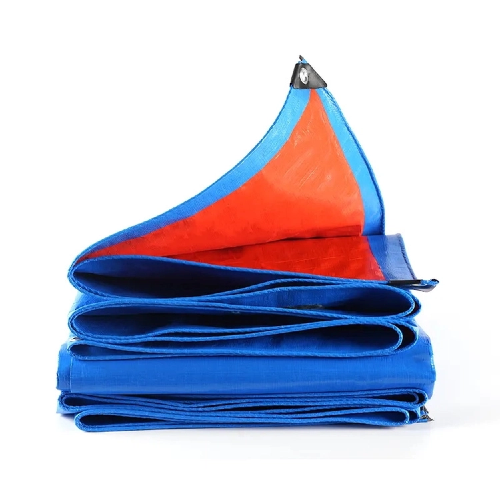
PU Tarpaulin is highly durable and designed for long-lasting use, even in extreme environments. Its abrasion resistance, waterproofing, and chemical resistance ensure that it can withstand exposure to harsh conditions without deteriorating. This makes PU Tarpaulin a reliable solution for industries such as construction, agriculture, and transportation, where materials are frequently exposed to wear and environmental stress.
PU Tarpaulin performs well in a wide range of temperatures, from extreme heat to freezing cold. The polyurethane coating does not become brittle or lose its flexibility under low temperatures, ensuring that it remains effective even in cold storage environments or when used outdoors in winter conditions. At the same time, PU Tarpaulin remains stable under high temperatures, making it suitable for industrial applications where exposure to heat is common.
One of the growing concerns in the manufacturing industry is the environmental impact of materials. PU Tarpaulin is more eco-friendly compared to alternatives like PVC due to its recyclability and longer lifespan. Unlike PVC, which is difficult to recycle and can contribute to environmental pollution, PU Tarpaulin can be repurposed at the end of its life cycle. This makes PU Tarpaulin a more sustainable option for industries looking to reduce their environmental footprint.
Maintaining PU Tarpaulin is relatively easy compared to other materials. PU Tarpaulin can be cleaned using standard disinfectants and cleaning agents, and its chemical resistance ensures that it won’t degrade after multiple cleaning cycles. Regular cleaning can extend the lifespan of PU Tarpaulin, keeping it in optimal condition for longer periods of time.
PU Tarpaulin is widely used for covering sensitive equipment, machinery, and goods, providing protection from weather, dirt, and moisture. In industries like construction and agriculture, PU Tarpaulin helps safeguard valuable assets from environmental damage, ensuring they stay functional and durable for longer periods.
In warehouses and storage areas, PU Tarpaulin is used to protect materials, machinery, and goods from rain, dust, and moisture. It provides a protective layer that maintains the integrity of the stored items, ensuring that they are not compromised by environmental factors.
In the event of emergencies or outdoor events, PU Tarpaulin is used to create temporary shelters. Its waterproofing and UV resistance make it ideal for use in creating shelters that protect people from the elements.
PU Tarpaulin is also used in the manufacturing of personal protective equipment (PPE), such as aprons, gloves, and protective suits. These items are designed to protect workers in industries like healthcare, chemical manufacturing, and food processing, where exposure to harmful substances is a risk.
PU Tarpaulin is a highly versatile and durable material, known for its exceptional properties that make it perfect for various protective applications. Its superior waterproofing, chemical resistance, abrasion resistance, and UV protection ensure reliable and long-lasting performance, even in the harshest environments. Whether in construction, agriculture, medical, or transportation, PU Tarpaulin offers dependable protection for goods, equipment, and personnel.
As industries increasingly prioritize durability, safety, and environmental responsibility, PU Tarpaulin is poised to remain the leading material for protective applications. Its cost-effectiveness, coupled with its eco-friendly attributes, positions it as a smart choice for businesses seeking reliable, sustainable solutions.
If you are looking for high-quality PU Tarpaulin for your specific needs, we invite you to connect with us at Linyi Junteng Tarpaulin Factory. Our team is dedicated to providing tailored solutions, ensuring that your protective requirements are met with durable and efficient materials. Feel free to reach out to us for more information on how PU Tarpaulin can benefit your business.
What makes PU Tarpaulin more effective for protective applications than other materials?
PU Tarpaulin offers superior waterproofing, chemical resistance, and abrasion resistance, ensuring long-term protection for a wide range of applications.
How long does PU Tarpaulin last in outdoor environments?
PU Tarpaulin is designed to withstand harsh weather conditions and lasts much longer than materials like PVC, providing reliable protection for extended periods.
Is PU Tarpaulin safe for medical applications?
Yes, PU Tarpaulin is used for medical covers, sterile drapes, and equipment protection due to its chemical resistance and ability to maintain a sterile environment.
How is PU Tarpaulin different from PVC and PE Tarpaulin?
PU Tarpaulin offers better chemical resistance, abrasion resistance, and UV protection compared to PVC and PE, making it more durable and suitable for demanding applications.
Is PU Tarpaulin environmentally friendly?
Yes, PU Tarpaulin is recyclable and has a long lifespan, reducing the need for frequent replacements and making it a more sustainable choice than PVC.


