


Author: Site Editor Publish Time: 2026-05-27 Origin: Site
Selecting the wrong protective textile causes massive problems. It leads to premature degradation and compromised assets. You will also face inflated replacement cycles over time. Specifying materials often relies on guesswork rather than solid data. This approach puts your equipment at unnecessary risk. You need an objective, specification-driven framework.
This guide helps you evaluate options effectively. We compare materials based on mechanical stress and environmental exposure. We ignore vague marketing claims. Instead, we analyze molecular behavior and actual failure points. You will understand how these textiles perform in deployment realities. We establish a clear, evidence-based tone throughout this analysis.
By the end, you will know exactly what to choose. We explore manufacturing realities and field conditions. You will discover why certain polymers fail under pressure. This knowledge empowers your procurement team to make smarter decisions. You can finally secure your assets reliably.
Structural Baseline: PE (Polyethylene) relies on woven strips laminated with film for rigid, cost-effective coverage; PU (Polyurethane) utilizes a flexible polymer coating over a fabric base for high elasticity.
Durability vs. Cost: PU tarpaulin requires a higher initial investment but yields a significantly lower Total Cost of Ownership (TCO) in high-abrasion or extreme-temperature applications.
Failure Modes: PE typically fails through UV-induced brittleness and delamination; PU fails primarily through prolonged chemical exposure or improper wet storage.
Shortlisting Rule: Specify PE for static, temporary, or seasonal protection. Specify PU for dynamic loads, high-friction environments, and multi-year deployments.
Standard PE tarpaulins feature a distinct structural architecture. They use a high-density woven core. Manufacturers laminate this core using low-density surface films. This process creates a rigid moisture barrier. It proves highly cost-effective for basic coverage needs. However, the surface layer simply sits on top of the weave. It does not penetrate the core fibers.
A PU tarpaulin undergoes a completely different manufacturing process. Factories apply liquid polyurethane directly to a substrate. They typically use woven polyester or nylon for this base. The liquid creates a strong chemical bond. It penetrates the yarns deeply. It does not merely form a superficial surface layer. This integration fundamentally changes how the material behaves.
These manufacturing realities affect physical handling directly. PU features a textile-like drape. It offers exceptional flexibility for complex wrapping tasks. PE possesses inherent stiffness. It resists draping and tends to crease heavily. You will notice this difference immediately during manual deployment. Workers can fold PU much easier than rigid PE.
Environmental stability also varies significantly between the two. Baseline polymer chains react differently to prolonged mechanical stress. PE chains weaken when folded repeatedly. They eventually break at the crease lines. PU chains stretch and recover easily. They handle continuous flexing without structural damage. This memory effect keeps the fabric intact longer.
Dynamic stress destroys weak materials quickly. Wind whipping creates severe friction against irregular cargo. PU displays high elasticity under these demanding conditions. Its polymer coating absorbs kinetic energy effectively. It stretches over sharp corners and rebounds. This recovery rate prevents catastrophic tears from spreading.
PE suffers under continuous friction. It lacks the elasticity needed for dynamic loads. Constant rubbing causes the outer lamination to peel. Once this lamination fails, the inner weave deteriorates fast. PE also remains susceptible to pinpoint punctures. A single sharp edge can compromise the entire cover.
Evaluating PU tarpaulin vs PE tarpaulin performance in extreme temperatures reveals stark contrasts. Sub-zero environments test polymer limits severely. PU resists micro-cracking in freezing weather. It remains highly pliable and easy to handle. PE behaves poorly in extreme cold. It risks severe stiffening and shattering upon impact.
UV radiation degrades both materials over time. However, their standard UV stabilizers degrade differently. PE becomes brittle as UV exposure breaks its chemical bonds. It literally turns to powder in harsh sunlight. PU maintains its structural integrity much longer. The chemical bond resists UV breakdown more effectively.
Water ingress ruins protected assets instantly. PE faces a massive vulnerability at its crease folds. Repeated folding creates micro-fractures in the laminated film. Water eventually seeps through these hidden fractures. You might not notice the leak until damage occurs.
PU provides sustained hydrostatic resistance. The integrated coating does not crack along fold lines. It flexes and maintains a solid barrier. This holds true provided the coating remains intact. You must protect it from harsh solvents. Harsh chemicals can dissolve the polyurethane layer prematurely.
Performance Metric | PE Tarpaulin | PU Tarpaulin |
|---|---|---|
Flexibility & Drape | Rigid, prone to heavy creasing | Textile-like, highly elastic |
Cold Weather Behavior | Stiffens, risks shattering below freezing | Remains pliable and crack-resistant |
Waterproof Lifespan | Fails over time at crease points | Sustained resistance without crease leaks |
Friction Resistance | Lamination peels easily | Absorbs impact, resists abrasion |
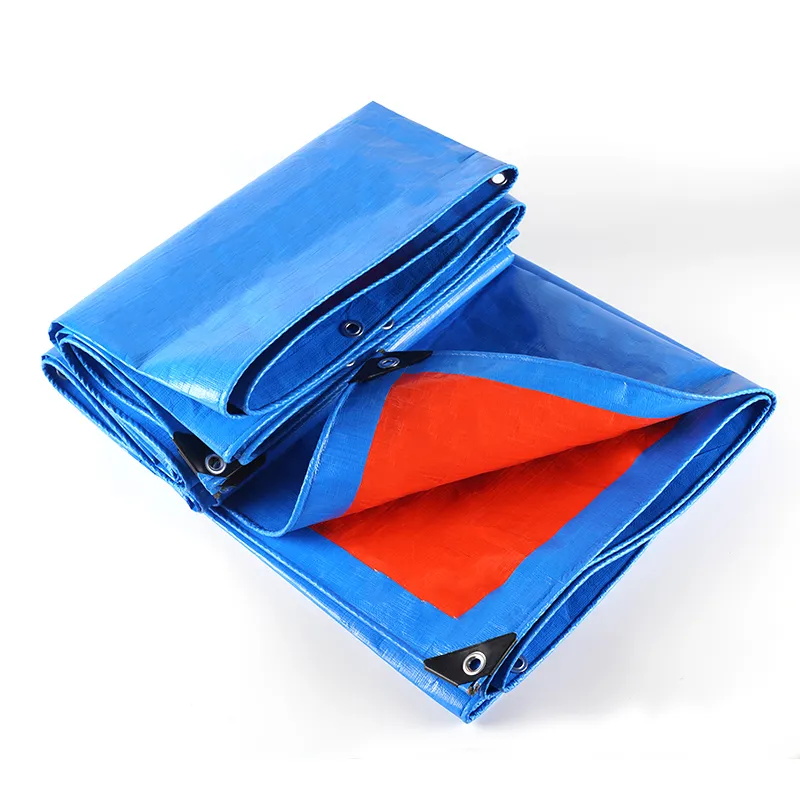
Logistics operators demand extreme durability from their covers. Highway speeds subject tarps to violent wind whipping. Tie-down tension places immense strain on the fabric. These dynamic load conditions strongly favor PU. Its structural memory absorbs wind shocks perfectly. Its anti-abrasion profile withstands rubbing against cargo straps.
Different sites require different protective strategies. We see specific use cases for both materials here. Consider the following scenarios:
Short-term debris coverage: A high-GSM PE tarp provides excellent, cost-effective protection. It keeps dirt and light rain off static materials.
Seasonal crop protection: PE works well for static agricultural mounds. The lack of movement extends its usable life.
Long-term machinery storage: You must specify PU for heavy equipment. It breathes better and resists tearing around sharp metal corners.
Transporting raw materials: PU handles the friction of gravel or timber far better than PE.
Safety standards dictate material choices in industrial settings. Fire resistance stands as a primary concern. You must understand how these materials react to high heat. PE melts rapidly when exposed to open flames. It drips burning plastic, spreading fire quickly. It accepts Flame Retardant (FR) treatments poorly.
PU accepts chemical FR treatments exceptionally well. The liquid coating process integrates the retardant deeply. When exposed to extreme heat, PU tends to char. It rarely melts or drips like polyethylene. This charring behavior prevents secondary fires. It helps facilities meet strict OSHA or regional safety compliance standards.
Procurement teams often fixate on the initial purchase price. Budget PE tarps look attractive on day one. However, high-stress environments destroy them quickly. You will likely replace budget PE covers every 6 to 12 months. This constant purchasing cycle drains budgets continuously. It creates a deceptive perception of savings.
Engineered PU offers a very different lifecycle trajectory. The initial capital expenditure is noticeably higher. Yet, a properly maintained PU cover lasts 3 to 5 years. It survives the mechanical stress that shreds cheaper alternatives. This extended operational lifespan completely offsets the higher upfront cost. Your long-term expenditures drop significantly.
You must factor in invisible operational burdens. Frequent deployment and replacement require intensive manual labor. Paying crews to swap torn covers wastes valuable man-hours. Furthermore, damaged PE poses severe financial risks. Undetected micro-tears let water infiltrate critical assets. A ruined machine costs exponentially more than a premium cover.
Material weight impacts daily operations directly. A heavy-duty PE tarp requires extreme thickness to survive. This bulk makes it heavy and difficult to maneuver. Workers suffer fatigue pulling massive PE sheets over equipment. Freight costs also rise when shipping bulkier materials.
A lighter PU tarpaulin changes this dynamic entirely. It can easily match the tensile strength of thick PE. The chemical bond provides superior strength without added bulk. This weight-to-strength efficiency reduces worker fatigue immediately. It speeds up deployment times and lowers your ongoing freight expenses.
Every material has an Achilles' heel regarding storage. PU faces specific risks if handled improperly. You must never fold and store it while wet. The moisture triggers hydrolysis in the polyurethane layer. This chemical reaction breaks down the coating. It also invites severe mold growth over time.
PE handles wet storage much better. It remains generally inert and rot-proof. Moisture does not break down its core polymer structure. However, storing it in direct sunlight causes rapid UV degradation. You must store both materials in dry, shaded environments for maximum longevity.
Seam strength determines overall cover integrity. Factories use hot-air welding and high-frequency sealing for PU. These methods create permanent, waterproof seams. Field repairs also favor PU significantly. You can patch tears easily using compatible adhesives. The patch bonds strongly to the existing coating.
PE limits your field-repair options drastically. Once PE begins to degrade, its surface flakes off. Tape or patches cannot adhere to a failing lamination layer. You cannot weld degraded PE effectively. A minor tear often forces you to discard the entire sheet.
You must validate manufacturer claims before buying. Many vendors play games with material specifications. Do not rely solely on total Grams per Square Meter (GSM). High GSM does not guarantee better durability. A vendor might use thick, cheap fabric with a paper-thin PU layer.
Advise your buyers to request specific data. Demand technical details on the actual PU coating thickness. Ask for the substrate yarn denier count. Check the adhesion strength between the base and the coating. These metrics reveal the true quality of the product.
Material choice must align with mechanical realities. You cannot base decisions purely on procurement budgets. Static, low-friction environments tolerate basic materials well. Dynamic, high-stress sites destroy them rapidly. Understanding these failure points protects your investments.
We strongly recommend a dual-track procurement strategy. Default to PE for low-friction, temporary, or seasonal coverage. It serves these roles perfectly. Invest in engineered PU for dynamic environments. It guarantees long-term asset security against severe abrasion and cold.
Your procurement team must take proactive steps now. Request technical data sheets (TDS) and material samples from vendors. Conduct a localized lifecycle calculation based on your specific failure rates. Stop buying disposable covers for permanent problems.
A: Extreme cold causes PE to stiffen drastically. It loses its flexibility and can shatter if struck or folded abruptly. PU maintains its high elasticity even in sub-zero conditions. It resists micro-cracking and remains pliable, making it vastly superior for harsh winter deployments.
A: Yes. You can repair PU tears quickly using compatible polyurethane adhesives or specialized repair tape. Because the material does not flake or delaminate easily, the patch forms a strong, lasting chemical bond with the surrounding fabric. This drastically extends its usable life.
A: No. A high GSM simply indicates heavier weight. A vendor could use thick, low-quality base yarns with a fragile, thin surface coating. You must evaluate the coating thickness, adhesion strength, and base fabric denier rather than relying exclusively on the total GSM metric.
A: Yes. Prolonged exposure to strong acids, harsh industrial solvents, and certain alkaline chemicals can dissolve or degrade polyurethane coatings. PE generally offers a broader range of inert chemical resistance. Always check chemical compatibility charts if deploying near harsh industrial solvents.


