


Author: Site Editor Publish Time: 2026-06-02 Origin: Site
Material failure in commercial applications carries severe financial risks. Ruined transit cargo, sudden aquaculture leaks, and compromised fumigation setups often result from choosing substandard protective fabrics. When a heavy-duty cover splits under tension, you lose far more than just the fabric itself. Technical buyers and procurement teams need a reliable, evidence-based framework to evaluate, specify, and source commercial-grade coated materials properly. This guide delivers exactly that essential framework. You will learn how to align material specifications with harsh environmental demands to ensure maximum operational uptime. We explore critical performance metrics, structural differences, and common manufacturer pitfalls to avoid. By understanding lifecycle performance and long-term value rather than just upfront pricing, your procurement process becomes highly strategic. Your final purchasing decisions will rely on robust technical data to keep valuable industrial assets completely safe.
Material Superiority: PVC provides a 5–10 year lifespan in harsh UV and mechanical stress environments, significantly outlasting PE alternatives.
Application Matching: Precise GSM (Grams per Square Meter), denier count, and coating methods (knife-coated vs. laminated) must dictate the use case, whether for transit or aquaculture.
Risk Mitigation: Identifying manufacturer red flags, such as toxic plasticizers in pond liners or inadequate cold-crack resistance in transport covers.
Evaluating the lifecycle ROI of heavy-duty fabrics requires comparing base materials directly. Polyvinyl chloride (PVC) excels in extreme industrial conditions. Polyethylene (PE) costs significantly less upfront. However, PVC offers vastly superior tear strength and continuous UV stability. This durability makes it a much better long-term investment for multi-year projects. Procurement teams should analyze the total operational lifespan before making bulk purchases.
Structurally, these two materials differ fundamentally. A standard PE tarpaulin relies on simple woven plastic strips. Manufacturers laminate these thin strips lightly on both sides. Conversely, a polyvinyl chloride matrix features a tightly woven polyester base mesh. Heavy-duty liquid polymers encapsulate this core mesh entirely. This manufacturing approach creates a highly unified, flexible, and impenetrable layer. The thick exterior easily withstands severe abrasion and extreme weather events.
Still, you should not always specify a polyvinyl chloride solution. Certain operational scenarios do not justify the higher material investment. Temporary construction sites often need quick, disposable ground covers. Lightweight domestic jobs rarely encounter severe mechanical stress. Severely budget-restricted short-term projects also do better utilizing polyethylene. Build supply chain efficiency by matching the chosen material exactly to the expected project lifespan. Do not over-engineer a temporary solution.
Commercial use demands strict adherence to baseline material specifications. Industry experts strongly recommend starting between 500 and 900 GSM (Grams per Square Meter) for heavy applications. The base fabric denier dictates the absolute tensile strength. Higher denier numbers indicate thicker, stronger polyester yarns inside the fabric matrix. Standard heavy-duty yarns often measure 1000D x 1000D. This internal core strength directly prevents tearing during sudden high-stress usage.
Coating technologies fundamentally determine the final product lifespan. A high-quality PVC tarpaulin frequently utilizes a premium knife-coating process. This advanced technique drags a precise blade over liquid polymer. The blade forces the liquid deeply into the polyester mesh fibers. It delivers unmatched adhesion and entirely prevents material delamination. Alternatively, hot-melt or laminated manufacturing bonds layers using localized heat and pressure rollers. This method remains highly cost-effective for mid-range applications. However, it carries a substantially higher risk of peeling apart under extreme wind load.
Surface treatments add another essential defensive layer against environmental degradation. Manufacturers often apply acrylic or PVDF lacquering to the finished rolls. These specialized topcoats provide excellent self-cleaning properties. Dirt and industrial grime wash away easily during heavy rainfall. Furthermore, these lacquers extend UV defense significantly. They prevent the underlying plasticizers from migrating to the surface and degrading.
Performance Metric | Knife-Coated Technology | Hot-Melt Laminated Technology |
|---|---|---|
Adhesion Strength | Maximum (Molecular penetration) | Moderate (Surface level bonding) |
Delamination Risk | Near zero under high stress | Higher risk in extreme wind |
Average Lifespan | 5 to 10+ years | 2 to 4 years |
Flexibility in Cold | Excellent (Retains soft hand-feel) | Fair (Can become stiff) |
Cost Profile | Premium initial investment | Highly budget-friendly |
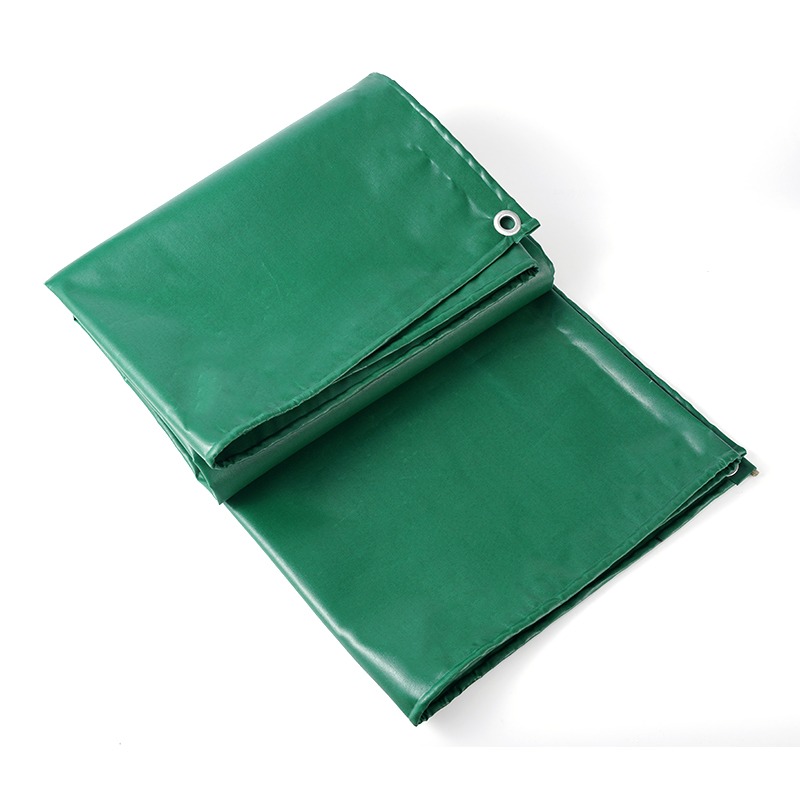
Moving fleet cargo introduces highly unique mechanical stress factors. Fabrics face continuous, aggressive wind whip on open highways. They endure harsh physical abrasion rubbing directly against shifting cargo loads. They also sustain massive tension when operators stretch them tightly over steel tie-downs. A standard lightweight cover will fail catastrophically under these compounding forces. Consequently, fleet managers must source materials engineered specifically for transit.
A reliable truck tarpaulin requires exceptionally high tear resistance. Procurement specifications must include verified cold-crack ratings for cross-climate transit. You must ensure the chosen fabric will not shatter when driving through sub-zero winter temperatures. Look for materials certified to withstand temperatures down to -30°C (-22°F). High-quality covers also utilize reinforced double-layer hems to handle extreme strapping tension without tearing the embedded grommets.
High-frequency welded seams represent another non-negotiable feature for transport applications. Traditional stitched seams create thousands of tiny needle holes where rainwater easily penetrates. Over time, sewing threads also rot or snap. Conversely, high-frequency welded seams fuse the coated material at a molecular level. This creates a completely impenetrable, flat joint. Standard industry weights for these transit covers typically range from 600 to 750 GSM. Evaluating long-term UV degradation timelines ensures the fleet branding and structural integrity survive years of direct sunlight.
Aquaculture setups introduce incredibly strict bio-security and chemical safety mandates. Standard industrial plastics often contain cheap additives. These heavy metals and toxic phthalates quickly leach into the delicate water ecosystem. Such chemical contamination will inevitably devastate commercial fish populations. You must explicitly specify non-toxic, eco-friendly plasticizers for any aquatic environment. Always demand certified food-grade or specific aquaculture-grade material data sheets before buying.
Continuous water retention demands absolute structural perfection. Relying on a 100% waterproof tarpaulin remains entirely non-negotiable for fish farming. Manufacturers must construct these large-scale liners using commercial high-frequency heat welding machines. Proper welding guarantees zero-leak performance under continuous, heavy hydrostatic pressure. A two-meter deep pond exerts massive weight against the bottom seams. Only molecularly bonded overlaps can withstand this localized stress for multiple years.
Implementation risks often destroy perfectly good materials. Even the highest-grade liner fails if the site installation is poor. Site operators must address substrate preparation meticulously. Failing to clear sharp rocks, broken glass, or tree roots will inevitably puncture the membrane over time. Best practices dictate removing any debris larger than 5mm from the excavation site. Installers should also lay down a 200 GSM geotextile underlay or a thick sand bed. This protective buffer prevents ground friction from compromising the watertight barrier.
Agriculture and specialized pest control operations have highly specific environmental containment requirements. Managing dangerous airborne chemicals safely requires a purpose-built fumigation canvas tarpaulin. These protective enclosures demand absolute gas-tight performance. Zero porosity remains critically important to maintain lethal gas concentrations inside the tented shelter. If toxic gas escapes, pest eradication fails completely. More importantly, leaking fumes present a severe safety hazard to nearby agricultural workers.
Chemical resilience and strict fire resistance are equally vital for industrial shelters. Buyers must actively select fabrics treated to resist harsh agricultural chemicals. To evaluate and source these specialized covers accurately, procurement teams should follow these sequential steps:
Verify official flame retardancy standards such as B1 (DIN 4102) or M2 certifications.
Test the coated fabric directly against specific agricultural fertilizers or pesticides used on-site.
Inspect the manufacturer's seam welding process to ensure absolutely no gas leakage points exist.
Confirm the presence of a robust anti-mildew treatment for damp, high-humidity deployment environments.
Ensure the material features a high-density base fabric to prevent micro-tears during heavy handling.
By actively isolating and testing these five factors, industrial shelters remain fully compliant. They will safely contain hazardous environments over many years of repeated deployment.
Vendor selection ultimately determines your final product reliability. Evaluating vendor claims requires strict attention to technical details. You should always request and verify detailed technical data sheets (TDS) for every product line. Cross-reference these internal sheets with independent lab testing reports. Credible testing organizations like SGS or CE provide objective verification. A reliable, high-tier supplier gladly provides these certification documents upon your first request.
Assessing fabrication capabilities requires a deep dive into actual factory operations. Ensure the vendor operates commercial-grade high-frequency welding machines. Check their production capacity for custom grommet installation and reinforced corner patching. Ask their engineering team how they ensure consistent batch-to-batch color matching. Consistent branding matters immensely for visible applications like large transport fleets.
Take the following actionable steps to secure a reliable supply chain effectively:
Request A4-sized material samples directly from the factory's current production runs.
Test the seam strength and tear resistance in-house using basic mechanical stress tests.
Perform a cold-fold test by leaving the sample in a commercial freezer before bending it sharply.
Initiate a paid pilot order for a single transport cover or a small-scale pond liner.
Inspect the pilot delivery carefully for uniform coating thickness and properly aligned welded hems.
Specifying the correct heavy-duty coated fabric directly drives the success of commercial protective enclosures. Making highly informed procurement choices protects valuable industrial assets from harsh environments. Choosing the proper material weight, coating type, and chemical makeup eliminates unexpected operational failures. Moving beyond simple upfront pricing ensures better lifecycle reliability.
Keep these final action-oriented steps in mind as you move forward. Audit your current fabric specifications carefully to ensure they match exact environmental threats like UV exposure. Demand verifiable laboratory test reports to confirm chemical safety and flame retardancy ratings immediately. Prioritize molecularly welded seams over traditional stitching to eliminate weak points entirely. Finally, contact a vetted manufacturer for project-specific engineering advice before committing to large-scale bulk orders. Upgrading your specifications today prevents catastrophic material failures tomorrow.
A: The functional lifespan relies heavily on exact environmental exposure. In harsh UV and high mechanical wear conditions, expect a reliable service life of five to ten years. Regular cleaning and proper tensioning during deployment can extend this timeline significantly.
A: Yes, operators can execute field repairs effectively. You should use a portable hot-air welding tool to fuse a new vinyl patch directly over the tear. For smaller punctures, industrial vinyl adhesives and specialized sealing tapes provide a rapid, watertight fix.
A: Standard industrial formulations are not safe for potable water. Industrial blends contain specific plasticizers and stabilizers that may leach. You must specifically source food-grade, potable-water-certified materials. These specialized liners use non-toxic additives explicitly approved for human consumption.
A: Denier measures the thickness and tensile strength of the internal polyester yarn. A higher denier indicates a stronger structural core. GSM stands for Grams per Square Meter. It measures the total finished weight of the fabric, including both the core yarn and external coating.


