


Author: Site Editor Publish Time: 2026-06-03 Origin: Site
Extreme weather events, stricter compliance mandates, and volatile supply chains heavily disrupt industrial operations in 2026. Traditional asset protection methods frequently fail against these escalating modern pressures. You need reliable, scientifically backed physical barriers to shield critical inventory from catastrophic damage.
B2B procurement teams frequently struggle during the material selection process. They often overspend significantly on over-engineered fabrics. Conversely, they risk catastrophic asset loss by severely under-specifying their protective covers. It becomes a constant, stressful balancing act between operational budget limits and baseline performance requirements.
We deliver a definitive framework here to eliminate that guesswork. You will learn how to match specific Tarpaulin applications directly to appropriate material specifications. This comprehensive guide helps you navigate bold supplier claims, ensure strict regulatory compliance, and mitigate environmental risks effectively.
Application-to-Material Matching is Critical: PVC dominates heavy-duty logistics, while advanced PE blends are preferred for rapid-deployment emergency use.
Compliance is Non-Negotiable: 2026 standards require strict adherence to FR (Flame Retardant) and UV-resistance certifications in warehouse and outdoor storage applications.
Total Cost of Ownership (TCO): Upfront cost per square meter must be evaluated against lifespan, tear resistance, and replacement frequency.
Supplier Reliability: Evaluating lead times, custom fabrication capabilities, and quality assurance is as important as the product itself.
Defining successful asset protection requires clear operational success criteria. You want zero moisture ingress under torrential rain. You demand zero UV degradation over the target product lifespan. Furthermore, your selected materials must strictly comply with local fire codes. You cannot negotiate on these baseline safety metrics.
Failing to meet these benchmarks carries severe financial penalties. Compromised inventory directly harms your quarterly bottom line. Delayed logistics stemming from catastrophic material failure ruin long-term client relationships. You simply cannot afford arbitrary procurement decisions.
The current industrial market presents distinct new challenges. A massive influx of low-grade, commoditized covers floods global supply chains today. You must aggressively verify GSM (Grams per Square Meter) specifications. Checking denier counts before finalizing bulk orders is equally vital for quality control.
Low GSM covers tear easily under moderate mechanical stress. They lack the necessary polymer density to resist abrasion. Ignore these fundamental technical details, and you invite operational disasters. Quality verification forms the absolute bedrock of modern asset protection. We urge you to demand transparent material data sheets. You should compare tensile strength ratings side-by-side. Investigate the UV inhibitor percentage mixed into the polymer base. These small formulation details dictate whether a cover survives a single season or lasts a full decade.
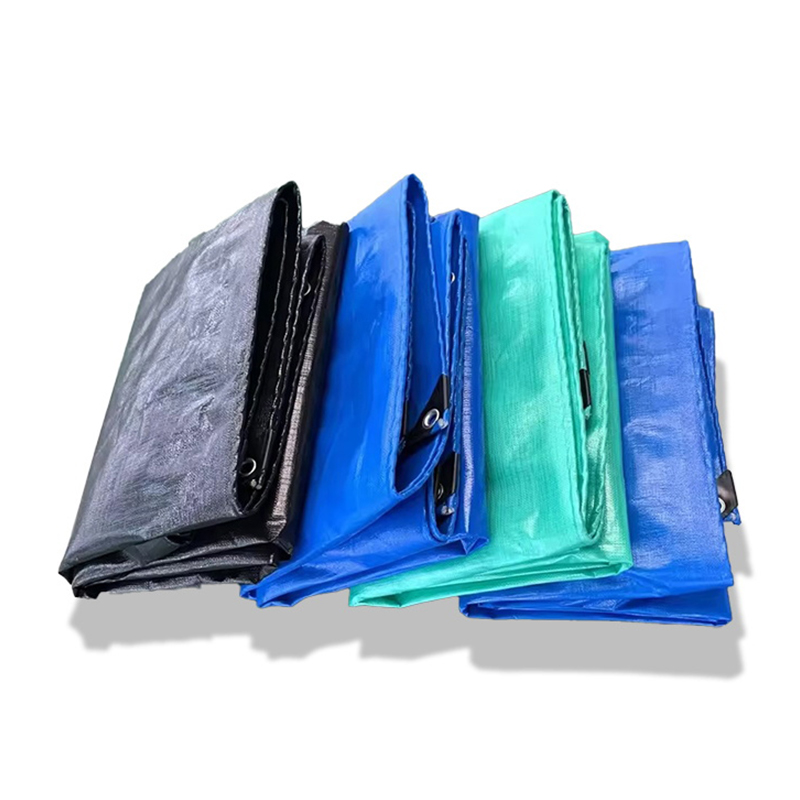
Flatbed truck covers, railcar shrouds, and maritime cargo protection represent exceptionally demanding environments. You need materials capable of enduring brutal, constant outdoor conditions.
High abrasion resistance remains a critical daily requirement. Wind-whip durability is equally essential during high-speed highway transit. We strongly recommend heavy-duty PVC exceeding 600 GSM for these rigorous tasks. It actively repels moisture while absorbing significant mechanical stress over time. Procurement teams evaluating diverse tarpaulin solutions logistics warehouse emergency requirements must prioritize physical toughness above all else.
However, implementation realities always dictate careful logistical planning. Heavier GSM directly increases long-term material durability. Yet, it introduces notable handling complexities on the ground. Deployment frequently requires automated mechanical handling systems. Alternatively, you must assign more personnel to deploy these heavy covers safely.
You must balance material weight against daily operational efficiency. Consider these specific logistical factors during your planning phase:
Average wind speeds across open transport routes.
Common friction points on standard industrial railcars.
Handling equipment availability at receiving warehouse docks.
Crew size limits for manual daily tarping operations.
Addressing these factors prevents workplace injuries. It also extends the lifespan of your chosen covers significantly. Properly secured freight minimizes liability and ensures uninterrupted supply chain movement.
Temporary roof covers, partition curtains, and outdoor inventory stockpiling form the core of warehouse applications. These diverse scenarios demand highly scalable environmental control systems.
Long-term UV stabilization ranks as a top priority for outdoor stockpiles. Strict fire retardancy (FR) is absolutely non-negotiable for enclosed indoor spaces. We suggest treated PVC or heavy-duty canvas blends for these areas. You should tailor these material choices to regional climate data.
Risk mitigation takes precedence indoors. You must ensure all installed covers meet stringent OSHA fire safety standards. Regional regulatory equivalents dictate similar strict compliance levels for volatile inventory.
Follow this simple, actionable compliance checklist:
Request updated FR certification documents from all potential suppliers.
Verify independent laboratory testing methodology carefully.
Inspect fabric seams for structural integrity near warehouse heat sources.
Establish a strict routine visual inspection schedule for deployed covers.
Ignoring basic fire safety standards creates unacceptable enterprise risk. You protect both personnel and valuable products by prioritizing certified flame-retardant materials. Warehouse managers must document these safety checks consistently.
Temporary shelters, disaster zone roofing, and rapid flood barriers demand immediate, decisive action. Crisis situations leave absolutely no room for delayed logistics or heavy materials.
You need extremely high tensile strength for structural integrity. You also require lightweight properties to ensure rapid, low-labor deployment in chaotic environments. High-density Polyethylene (HDPE) woven cores perform best here. Adding low-density polyethylene (LDPE) lamination creates an impenetrable, flexible moisture barrier.
This precise combination delivers maximum strength per ounce. Field teams can deploy vast areas of coverage quickly. They do not require heavy machinery to move these specialized fabrics.
Scalability directly impacts humanitarian rollout success. Procurement officers must prioritize specific operational supplier capabilities. You need trusted vendors holding proven, massive inventory stockpiles. Rapid-manufacturing capabilities are equally vital during unpredictable high-demand crisis seasons.
Procurement officers analyzing tarpaulin solutions logistics warehouse emergency trends find that rapid-manufacturing capabilities are vital during crisis seasons. Finding reliable crisis partners ensures rapid humanitarian response. It also guarantees immediate asset-recovery support following extreme weather events. Do not wait until a disaster strikes to build these crucial supplier relationships.
Objective technical criteria must guide your final material selection process. You must understand exactly how different polymers perform under applied physical stress.
Contrast PVC against PE carefully during procurement. PVC offers exceptional heavy-duty performance and a long operational lifespan. It suits permanent or semi-permanent installations perfectly. Conversely, PE provides cost-effective, highly lightweight agility. It dominates rapid-deployment and temporary disaster scenarios.
You must also distinguish tear resistance from tensile strength. Tear resistance actively prevents small punctures from expanding into catastrophic failures. Tensile strength prevents the base fabric from snapping under continuous tension. Logistics applications absolutely need both properties working simultaneously. Static warehouse storage leans much heavier on pure tensile strength alone.
Weathering assumptions require total transparency. No protective material lasts forever under the sun. Ultraviolet rays aggressively break down polymer chains over time. However, specialized UV-treated options extend usability significantly. Untreated plastics degrade and shatter in mere months. Advanced UV formulations push operational lifespans into multiple reliable years.
Material Feature | PVC (Polyvinyl Chloride) | PE (Polyethylene) |
|---|---|---|
Durability | High abrasion resistance; lasts several years outdoors. | Moderate; highly suitable for shorter deployments. |
Weight | Heavy (typically 600+ GSM). | Lightweight (typically 100-300 GSM). |
Best Application | Flatbed transport, industrial partitions, long-term covers. | Disaster relief, temporary outdoor storage, short-term barriers. |
Flexibility | Maintains structural integrity well in extreme cold. | Highly pliable for fast, manual deployment by small teams. |
Evaluating a manufacturing vendor goes far beyond reading a basic spec sheet. You must rigorously verify their internal operational capabilities.
Independent certifications prove long-term product reliability. You should always request objective lab test data. Focus heavily on documented tear strength metrics and official FR ratings. Do not accept self-certified safety claims from unverified factories.
Customization capabilities separate great vendors from average commodity suppliers. You often need reinforced brass eyelets. Stainless steel D-rings and heat-welded seams tailored to your specific application are equally important. Standard cover sizes rarely fit complex industrial assets perfectly.
Supply chain stability guarantees your future operational continuity. Assess the vendor's production capacity thoroughly. They must fulfill high-volume emergency reorders reliably without compromising quality.
Your actionable next step involves targeted physical testing. Request actual material samples first. Ask the supplier for localized case studies resembling your exact operational environment. Commit to a limited, carefully monitored pilot program. Do this before authorizing expensive fleet-wide rollouts across your organization.
Successful asset protection depends entirely on operational context. You must align use-case realities across logistics, warehouse, and emergency sectors with precise material science. Selecting the wrong fabric wastes budget and endangers critical inventory.
Procurement teams must decisively move away from commodity-driven purchasing habits. Focus strictly on holistic risk mitigation strategies instead. Evaluate material longevity, physical durability, and long-term supplier reliability. Do not base decisions on mere upfront pricing alone.
Stop guessing on critical infrastructure protection today. Take proactive control of your procurement strategy immediately. Contact our specialized sales engineering team for a comprehensive, site-specific material assessment. Request a detailed commercial quote tailored specifically to your exact industrial requirements.
A: Lifespan depends heavily on UV exposure and mechanical stress. However, industrial-grade PVC typically lasts three to five years in rigorous logistics applications. Proper maintenance and routine visual inspections significantly extend this operational window.
A: You establish a GSM baseline based on weather exposure and required durability. Use 200 to 300 GSM for light or temporary indoor covers. Select 600+ GSM materials for heavy, semi-permanent outdoor storage requiring extreme wind and moisture resistance.
A: Yes. Premium manufacturers offer extensive customization options. You can request heat-welded seams, custom dimensions, and specialized tie-down hardware. These modifications ensure covers fit proprietary assets securely, reducing wind-whip and extending overall material longevity.
A: Yes, they serve as the industry standard for crisis scenarios. PE offers an exceptionally high strength-to-weight ratio. This characteristic allows rapid, high-volume deployment in disaster zones using minimal labor and lightweight transport vehicles.


