


Author: Site Editor Publish Time: 2026-06-03 Origin: Site
Shifting from rigid trailers to flexible lorry covers involves more than basic weatherproofing. It represents a vital step in maintaining load compliance across modern logistics networks. Proper coverage prevents catastrophic accidents caused by flying debris. It significantly reduces overall fleet liability during transit. High-quality waterproof covers also drive a major operational shift. They reduce overall vehicle tare weight immediately. This reduction improves fuel efficiency on every single route.
Furthermore, these covers secure cargo against highway-speed wind shear. They block extreme weather conditions perfectly. Choosing the right cover requires a strict evaluation framework. We provide fleet managers and owner-operators exactly this framework. You will learn how to properly select materials, hardware, and sizing for custom commercial covers. The right choices ensure ultimate protection for your freight. We designed this guide to help you make confident, data-driven purchasing decisions.
Material dictates lifespan: PVC dominates heavy-duty, long-haul flatbeds, while PE excels in lightweight, high-frequency manual operations.
Hardware prevents failures: Heat-welded seams and solid brass grommets are non-negotiable for preventing highway blowouts and chassis staining.
Sizing requires math, not guesses: Accounting for specific "drop" lengths and the "+2 feet" heaped-load rule ensures full coverage without dangerous slack.
Colors drive ROI: Custom color options aren't just aesthetic; they provide fleet visibility, UV reflection, and mobile advertising real estate.
Uncovered loads expose logistics companies to massive legal and financial risks. Debris flying from an open trailer causes severe property damage. It creates highly dangerous road hazards for other drivers. Highway patrol officers issue steep fines for non-compliance regarding unsecured loads. Upgrading to a specialized truck tarpaulin eliminates these liabilities. A tightly secured cover proves you took reasonable steps to contain your freight. This protects your safety record and your insurance premiums.
Next, consider the profound impact on fuel efficiency. Traditional rigid trailers add thousands of pounds to a truck's tare weight. Switching to a flexible fabric system cuts this dead weight drastically. You can haul more payload while burning significantly less diesel. Aerodynamics also play a crucial role. A tightly strapped cover reduces air drag compared to an open, turbulent dump bed. This improves your profit margins on long-haul runs.
Finally, weather extremes ruin unprotected cargo constantly. Moisture buildup destroys sensitive goods like kiln-dried lumber. Constant UV exposure degrades packaging materials quickly. Chemical splashes from road spray, grease, or battery acid can ruin delicate machinery deliveries. A premium cover blocks these elements entirely. It acts as an impenetrable shield. It keeps your freight safe, dry, and perfectly intact from the warehouse to the final drop-off.
Selecting the correct fabric fundamentally determines how long your cover will last. The transport industry relies primarily on two main chemical compounds. Each serves very distinct operational scenarios. Matching the material to your freight type prevents premature wear.
Heavy-duty scenarios demand rugged materials. A typical PVC tarpaulin features a complex 3-to-4 layer construction. Manufacturers sandwich a robust polyester base fabric between thick layers of polyvinyl chloride. Sometimes they add a specialized blackout layer in the center for extra UV defense. Industry standard densities include 1000D*1000D parameters. You will often see a dense 20x20 weave. Finished weights range from 550gsm up to a massive 750gsm (18 oz).
This heavy build handles brutal tasks easily. It dominates flatbed truck applications. The material survives extreme weather conditions without tearing. It also offers excellent resistance against industrial oil, grease, and acidic substances. If you haul raw steel, machinery, or heavy lumber, you need this industrial-grade vinyl.
Not every load requires an 18-oz beast. A standard PE tarpaulin utilizes a high-density polyethylene (HDPE) core fabric. It features a waterproof low-density polyethylene (LDPE) outer coating. Standard weights range from 80 to 200 gsm. These covers offer impressive temperature tolerances spanning -20°C to 70°C.
This material excels where weight matters most. Dump trucks and pickup trucks rely on it heavily. Short-haul runs benefit greatly from its flexibility. It enables rapid, single-person manual tarping because it remains incredibly light. Drivers can throw it over a load of mulch or gravel without straining their shoulders.
Some transport jobs demand highly specialized solutions. You might need a breathable mesh cover to stop moisture condensation inside the trailer. Certain agricultural shipments require a dedicated fumigation canvas tarpaulin. These specialty covers handle chemical fumigation transit safely. They keep hazardous pest-control fumes contained while passing strict agricultural regulatory inspections. Understanding your niche requirements ensures you never buy the wrong fabric composition.
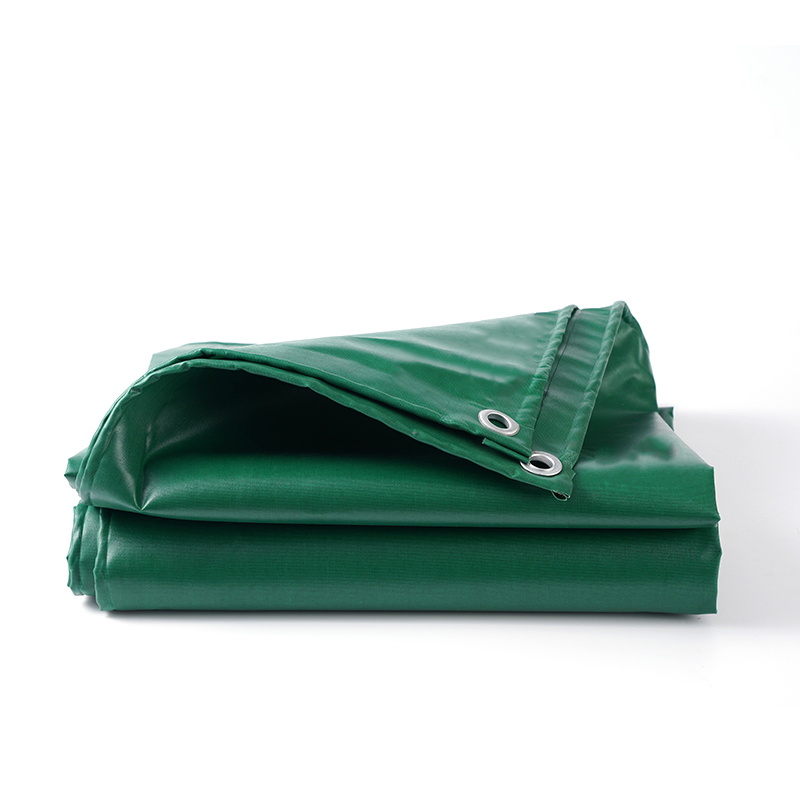
Cargo covers endure relentless physical stress. Evaluating their construction requires strict attention to detail. Poor construction leads to torn fabric and ruined cargo. We recommend inspecting three major structural areas before making a purchase.
Thickness directly impacts tear resistance. We consider a 15 Mil thickness the absolute baseline. This threshold prevents punctures from abrasive loads like rough lumber or sharp steel edges. Reputable manufacturers validate their tear resistance using the ASTM D2262 testing standard. Always look for this specific certification. It proves the material can withstand high-tension stretching.
Seam construction dictates your waterproofing success. Standard stitching leaves microscopic holes across the fabric. These tiny gaps eventually leak during heavy rainstorms. Instead, insist on double lock-stitched hems. Better yet, choose heat-sealed (welded) seams. Welded seams fuse the overlapping material together completely. This permanently blocks water and stops edge tearing entirely.
Proper anchoring hardware prevents catastrophic highway blowouts. Wind shear pulls violently at the edges of your cover. Consider these critical hardware requirements:
Solid brass grommets: Look for models equipped with biting teeth. These teeth grab the fabric securely. Solid brass stops rust from bleeding down onto your pristine truck chassis.
Welded tack-stitched D-rings: These metal rings provide superior tie-down points across the cover body. They distribute tension evenly across the fabric.
Heavy-duty cargo controls: Combine your cover with rugged binders, winch straps, and industrial bungee systems. Avoid cheap rubber straps. They snap easily under extreme cold.
Guessing your dimensions leads to disastrous results. A loose cover flaps violently at highway speeds. This constant whipping motion destroys the material rapidly. Conversely, a cover cut too small leaves your cargo exposed to rain and road salt.
Calculating the perfect fit requires basic math. Follow the "+2 feet" measurement rule. First, measure your exact load footprint. Then, add exactly two extra feet to both the length and width. This extra fabric handles heaped or irregular loads safely. It removes dangerous slack while ensuring complete edge coverage over the cargo corners.
Drop sizes are equally crucial. Industry-standard drop dimensions usually measure 4 ft, 6 ft, or 8 ft. You must match these to your specific trailer type. A step-deck trailer requires different drop lengths than a standard flatbed. Proper drops protect the sides of your cargo from lateral road spray. If you haul standard lumber, a 4 ft drop usually suffices. Hauling tall machinery often requires an 8 ft drop.
Consider how you deploy the cover daily. Time is money in logistics. Spending hours wrestling a cover manually wastes valuable driving hours. Here are three popular deployment systems:
Side Roll Systems: Operators quickly crank the cover across the top from ground level. This keeps drivers off the dangerous trailer deck.
Dump Flip Mechanisms: Powerful metal springs flip the cover over open-top dump trailers instantly.
Cable Tarps: Sliding cables fold the fabric like a giant accordion. This provides rapid operational rollout for long transfer trailers.
Feature | Heavy-Duty Flatbed Covers | Lightweight Dump Covers |
|---|---|---|
Primary Material | 18-oz PVC (Polyvinyl Chloride) | 80-200 gsm PE (Polyethylene) |
Recommended Drop Size | 6 ft to 8 ft drops | Minimal drop (top covering only) |
Best Hardware | Welded D-rings & Winch straps | Brass Grommets & Bungee cords |
Typical Lifespan | 3 to 5 years | 1 to 2 years |
Color choices offer much more than basic visual appeal. They act as strategic business tools. Choosing the right hue impacts your brand visibility, material lifespan, and legal compliance.
Matching a cover to your fleet branding creates professional uniformity. A large, blank trailer side wastes valuable real estate. Using printable surfaces turns a standard waterproof tarpaulin into a massive mobile billboard. You can print your company logo and contact details directly onto the vinyl. This generates revenue through passive advertising every time your truck rolls down the interstate.
Colors also deeply impact UV resistance and material longevity. Dark colors absorb intense heat. Light colors reflect it. However, the true secret lies in UV-treated color coatings. These specific chemical treatments block harsh sun rays. They stop the plasticizers in the fabric from evaporating. This prevents the material from becoming brittle over time. Proper UV defense guarantees your typical 3-to-5-year lifespan.
Finally, specific colors ensure safety and compliance. Hauling hazardous materials demands high-visibility shades. Neon yellow or bright orange warns other drivers instantly. Furthermore, you must verify flame-retardant certifications. Look for NFPA 701 or B1/B2 ratings when transporting combustible freight. A brightly colored, flame-retardant cover keeps your operations fully legal and safe.
Selecting a commercial cover relies on clear shortlisting logic. First, assess your typical cargo type to determine your risk profile. Second, choose between heavy PVC for flatbeds or lightweight PE for dump trucks. Third, calculate your exact size using the +2 feet rule to prevent dangerous slack. Finally, specify your anchoring hardware and brand colors to maximize durability and ROI.
Your next steps are straightforward. Audit your current fleet covers immediately. Check the edges for UV brittleness. Inspect the seams for micro-tears. Look closely at the D-rings for rust or loose stitching. If you spot damage, consult a trusted manufacturer. They will help you customize exact GSM weights and drop-size specifications for your next upgrade. Proactive maintenance keeps your freight safe and your trucks on the road.
A: A high-quality commercial cover typically lasts 3 to 5 years. Lifespan depends heavily on your material choice and daily maintenance. UV exposure and constant tension stress act as the primary degrading factors. Storing the cover properly when not in use significantly extends its operational life.
A: An 18-oz cover utilizes thick vinyl meant for heavy-duty flatbed protection against abrasive loads and extreme weather. A 10-oz cover uses lighter materials. It allows for easier manual handling and faster deployment on lighter freight, like landscaping materials or short-haul goods.
A: Never use harsh chemical solvents. Bleach or heavy degreasers will strip away the waterproof coating and degrade the plasticizers. Instead, use a mild soap and warm water. Scrub gently with a soft brush. You must dry the cover completely before folding it to prevent damaging mildew growth.


