


PE tarpaulin is one of the most popular materials for outdoor and industrial applications, widely used for its versatility, strength, and cost-effectiveness. Whether for protecting goods, creating temporary shelters, or shielding equipment from the elements, the structure of PE tarpaulin plays a critical role in its performance. Understanding what PE tarpaulin is made of, and how its composition benefits its protective qualities, helps customers make informed decisions about its use in various environments. This article delves into the materials, structure, and performance benefits of PE tarpaulin, helping you grasp why it is the go-to choice for many industries.
PE tarpaulin is made from polyethylene (PE), which is a type of thermoplastic polymer. Polyethylene is a widely used material, known for its excellent balance between performance and cost. As a thermoplastic, polyethylene becomes soft and moldable when heated and returns to its solid state when cooled, making it ideal for processing into flexible and durable sheets, such as those used in PE tarpaulin.
Polyethylene itself is highly resistant to moisture, making it inherently waterproof. It also provides a robust barrier to chemicals, UV radiation, and physical wear. These characteristics make PE tarpaulin highly durable and capable of enduring various harsh environments, ensuring long-lasting protection for goods, equipment, and structures.
There are two main types of polyethylene used in the production of PE tarpaulin: high-density polyethylene (HDPE) and low-density polyethylene (LDPE). Both have unique properties that contribute to the performance of PE tarpaulin, but they differ in their density, strength, and flexibility.
HDPE is known for its higher tensile strength, making it ideal for applications where durability and resistance to abrasion are critical. HDPE PE tarpaulins are typically used in heavy-duty applications, such as construction sites or transportation covers, due to their strength and resistance to tearing.
LDPE, on the other hand, is more flexible and lighter than HDPE, making it more suitable for applications where ease of handling and flexibility are more important than extreme durability. LDPE PE tarpaulins are often used for lightweight coverings, agricultural protection, and temporary shelters.
Understanding the difference between HDPE and LDPE helps in selecting the appropriate type of PE tarpaulin based on the specific requirements of a given application.
The core strength of PE tarpaulin comes from its woven HDPE fabric base. This woven mesh structure provides the tarpaulin with enhanced tensile strength, making it resistant to tearing and stretching. The weaving process ensures that the fibers are interlaced tightly, offering a robust framework that can withstand physical stress, even in demanding conditions.
This reinforced structure makes PE tarpaulin ideal for applications where durability and strength are required, such as in the construction industry or for transporting heavy goods. The woven fabric adds to the material's ability to handle significant tension without failure, making it a highly reliable choice for both commercial and industrial uses.
After the weaving process, the PE tarpaulin is coated with low-density polyethylene (LDPE). This coating adds several key benefits to the tarpaulin’s performance. Firstly, it enhances the material’s water resistance, ensuring that the tarpaulin remains waterproof even when exposed to the elements for extended periods.
The LDPE coating also provides additional UV resistance, which helps protect the tarpaulin from sun damage, fading, and brittleness over time. This coating is also designed to maintain flexibility, even in colder temperatures, preventing the tarpaulin from becoming stiff or brittle.
The combination of a woven HDPE fabric base and the LDPE coating provides PE tarpaulin with an optimal balance of strength, flexibility, and water resistance, making it an excellent protective cover for a wide range of uses.
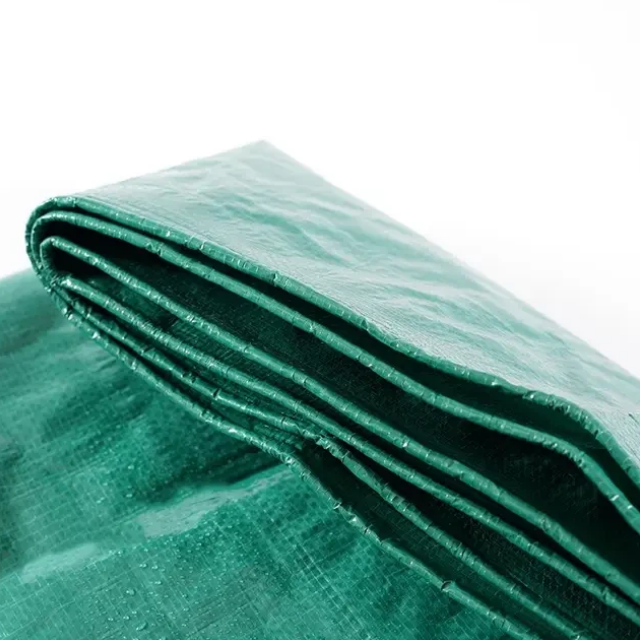
One of the most important additives in PE tarpaulin production is the inclusion of UV inhibitors. These additives are incorporated into the polyethylene material to prevent degradation caused by exposure to ultraviolet (UV) rays. UV rays can break down the molecular structure of materials, causing them to weaken, lose their color, and become brittle.
The UV inhibitors in PE tarpaulin ensure that the material can withstand prolonged exposure to sunlight, making it an ideal choice for outdoor applications. Whether used for covering equipment, materials, or vehicles, PE tarpaulin remains strong and reliable, even under the harshest sun.
Another significant treatment applied to PE tarpaulin is the addition of weather and mildew-resistant properties. These treatments help prevent the growth of mold and mildew on the surface of the tarpaulin, which can be a problem in humid or wet environments.
The mildew resistance ensures that PE tarpaulin maintains its integrity even when exposed to moisture for extended periods. This feature is particularly useful in industries such as agriculture, where PE tarpaulin is used to protect crops, equipment, and machinery from the elements.
The unique structure of PE tarpaulin, with its woven base and LDPE coating, results in exceptional tear resistance and flexibility. Whether it's used to cover heavy equipment or protect materials during transport, PE tarpaulin can endure the rigors of outdoor conditions without tearing or fraying.
Its flexibility allows for easy handling, even in challenging environments. Unlike some materials that become rigid and difficult to work with in cold weather, PE tarpaulin remains pliable, making it easy to fold, roll, and store when not in use.
Another major advantage of PE tarpaulin is its lightweight nature. This makes it easy to handle, transport, and set up, even in large sizes. Workers can easily drape or cover large areas without the need for heavy lifting equipment, which reduces labor costs and enhances operational efficiency.
The lightweight aspect of PE tarpaulin also makes it easier to store and move, as it doesn’t take up as much space as heavier alternatives, such as PVC tarpaulin.
When selecting PE tarpaulin, customers must consider the balance between cost and performance. While PE tarpaulin is more affordable than other materials like PVC tarpaulin, it still offers excellent performance in terms of water resistance, UV protection, and flexibility. For many applications, such as temporary covers, event protection, and agricultural uses, PE tarpaulin provides a highly effective solution at a lower cost.
However, for applications that demand the highest level of durability, such as long-term industrial storage or heavy-duty transportation, a higher-grade tarpaulin like PVC may be more appropriate. Understanding the specific needs of the project can help customers make the right decision based on both budget and performance requirements.
PE tarpaulin comes in various grades, each designed for different environments. The thickness and reinforcement of the tarpaulin can be tailored to meet the specific needs of the application. For example, thinner, more flexible PE tarpaulins are ideal for light-duty applications such as covering temporary outdoor structures, while thicker, reinforced versions are better suited for protecting valuable goods on construction sites or during transportation.
Understanding the environment in which the PE tarpaulin will be used is crucial in selecting the right grade. Factors such as exposure to sunlight, temperature fluctuations, and potential for abrasion all play a role in determining the best material for the job.
In conclusion, the composition of PE tarpaulin plays a critical role in its performance. The combination of high-density polyethylene, low-density polyethylene coating, and added UV inhibitors creates a durable, flexible, and waterproof material that is ideal for a wide range of outdoor and industrial applications. Its lightweight nature, tear resistance, and cost-effectiveness make it an excellent choice for customers seeking reliable protection at a reasonable price.
If you’re looking for high-quality PE tarpaulin for your next project, feel free to contact us today to learn more about our range of products and how they can meet your specific needs.
1. What is PE tarpaulin made of?
PE tarpaulin is made from polyethylene, a thermoplastic polymer, with a woven HDPE fabric base and a protective LDPE coating that provides water resistance and UV protection.
2. How does the material of PE tarpaulin affect its performance?
The combination of polyethylene, a woven fabric base, and a UV-stabilized coating gives PE tarpaulin its strength, flexibility, and water resistance, making it ideal for various outdoor applications.
3. Can PE tarpaulin withstand extreme weather conditions?
Yes, PE tarpaulin is highly resistant to water, UV rays, and moderate wear and tear. It is suitable for use in rain, snow, and intense sunlight, though it may not be as durable as PVC tarpaulin under extreme conditions.
4. How do I choose the right PE tarpaulin for my needs?
Consider factors such as the environment (exposure to sun, moisture, and temperature), required durability, and budget when selecting the right PE tarpaulin grade. Different grades offer varying levels of protection and flexibility.


