


PE tarpaulin is a cost-effective, versatile, and durable material widely used across industries for a variety of protective applications. Whether it’s used to shield goods, create temporary structures, or protect agricultural produce, PE tarpaulin serves as a reliable solution for businesses looking to safeguard their assets in various environments. In this article, we’ll explore the composition, features, and benefits of PE tarpaulin, as well as how it compares to other materials, offering valuable insight into its effectiveness in everyday and industrial use.
PE tarpaulin is a high-performance material constructed primarily from polyethylene, a thermoplastic polymer known for its durability and flexibility. The tarpaulin’s structure is composed of a woven mesh core, which is then coated with polyethylene, providing a strong and flexible protective cover. This unique combination allows PE tarpaulin to offer a lightweight yet tough solution that can withstand the rigors of various applications, from construction to agriculture.
When compared to other materials such as PVC tarpaulin, PE tarpaulin stands out for its cost-effectiveness, flexibility, and lighter weight. While PVC tarpaulins are known for their heavy-duty durability and waterproofing, PE tarpaulin is often preferred for applications that require a balance between performance and cost. The lightweight nature of PE tarpaulin makes it easier to handle and transport, while still offering robust weather and UV protection.
The composition of PE tarpaulin also means it is less likely to suffer from cracking or rigidity under cold conditions, a common drawback of heavier materials. This makes PE tarpaulin a versatile option for both indoor and outdoor use.
One of the primary reasons for the widespread use of PE tarpaulin is its exceptional weather resistance. Whether it’s hot or cold, dry or wet, PE tarpaulin can stand up to a variety of environmental conditions. Its inherent waterproof properties ensure that it keeps whatever is covered dry, making it a reliable option for outdoor storage and transportation.
Additionally, PE tarpaulin is treated with UV stabilizers that protect it from the harmful effects of sunlight. UV exposure can cause materials to degrade over time, but PE tarpaulin remains resilient and strong even when exposed to intense sunlight, which is crucial for long-term outdoor applications.
PE tarpaulin is designed to offer excellent tear resistance. The material is woven with a strong mesh core, which gives it the ability to withstand significant stress without tearing. This tear resistance is essential for heavy-duty applications like covering construction sites or protecting goods in transit. Moreover, PE tarpaulin maintains its flexibility under both hot and cold conditions, making it adaptable to various environments without losing its protective qualities.
The reinforced edges of PE tarpaulin further enhance its strength, preventing fraying and ensuring that it holds up over time, even with frequent use.
Another key advantage of PE tarpaulin is its lightweight nature, making it easy to handle, move, and store. Unlike heavier materials such as PVC tarpaulin, PE tarpaulin does not require as much labor to set up or transport, which can be a significant cost-saving factor in industries that require frequent relocation or handling of tarps.
The material’s light weight does not compromise its protective qualities. In fact, it provides a highly effective barrier against moisture, UV rays, and other environmental factors while being easy to roll, fold, and store when not in use.
One of the most common uses for PE tarpaulin is in the construction industry, where it is often used to cover scaffolding, tools, and building materials. Its durability and resistance to weather make it an ideal choice for construction site protection, ensuring that materials and equipment are shielded from rain, dust, and sunlight.
PE tarpaulin is also frequently used to create temporary enclosures or shelters on worksites, providing a weatherproof barrier for workers or storing equipment overnight.
In agriculture, PE tarpaulin is used to protect crops from the elements. Its waterproof nature ensures that the soil remains dry, even during rainy conditions, while its UV resistance helps protect plants from sun damage. It is often used to cover hay bales, seeds, or crops in the field, providing a protective layer that helps to maintain the integrity of agricultural goods.
PE tarpaulin is also used in garden centers for covering plants during harsh weather, offering both water resistance and sun protection to keep the plants healthy.
For outdoor activities like camping, PE tarpaulin is commonly used as a temporary shelter or ground cover. Its ability to withstand various weather conditions, combined with its lightweight properties, makes it the perfect option for creating makeshift tents or covering the ground to protect camping gear from moisture.
PE tarpaulin is also widely used in humanitarian and emergency relief situations to create temporary shelters for displaced people, providing an affordable and easily deployable solution for urgent needs.
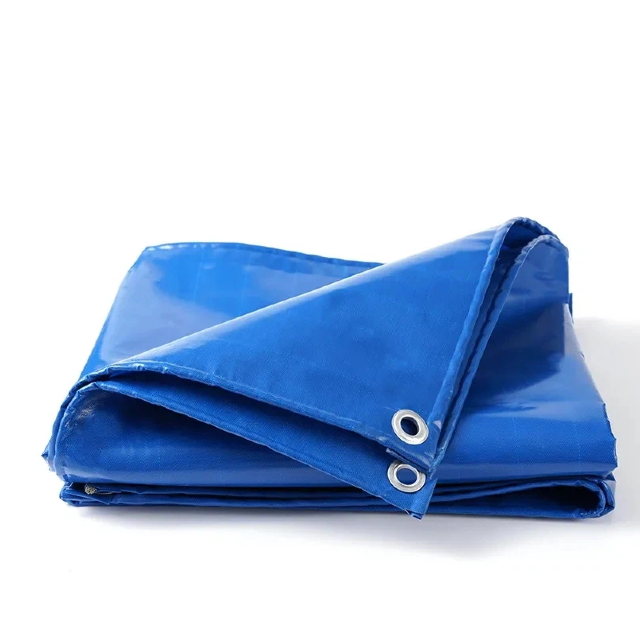
When comparing PE tarpaulin to PVC tarpaulin, the most significant difference lies in the cost and weight. PE tarpaulin is generally more affordable and lighter, which makes it ideal for applications that require frequent setup and relocation. Its lower cost also makes it more accessible for large-scale or temporary projects where the material’s longevity is not the primary concern.
On the other hand, PVC tarpaulin offers higher durability and strength, making it more suitable for long-term or high-stress applications. However, its heavier weight can make it more challenging to handle and transport, which can increase overall operational costs.
PE tarpaulin is preferable in situations where flexibility, lightweight properties, and affordability are prioritized over extreme durability. For example, in industries like agriculture or temporary event coverage, where the tarpaulin may only be needed for short periods, PE tarpaulin offers a cost-effective and efficient solution.
Additionally, PE tarpaulin is ideal for use in moderate climates or for applications that do not require the highest levels of tear resistance and long-term exposure to harsh conditions.
To maintain the quality of PE tarpaulin, it is essential to clean it regularly. After use, remove dirt and debris by hosing it down with water. For stubborn stains, use mild soap and water, ensuring that no harsh chemicals are used, as these may damage the material. Always allow the tarpaulin to dry completely before storing it to prevent mold and mildew growth.
When storing PE tarpaulin, keep it in a dry, cool place away from direct sunlight. Rolling the material rather than folding it helps preserve its strength and flexibility.
To extend the service life of PE tarpaulin, it’s important to avoid overexposure to sharp objects that may puncture or tear the material. Regularly check for signs of wear, especially at the edges, and reinforce any areas that may have become weak. In high-stress applications, consider using a thicker or reinforced version of PE tarpaulin for added durability.
PE tarpaulin offers a combination of affordability, flexibility, and durability, making it an ideal protective cover for a wide range of applications. From construction sites and agricultural fields to temporary shelters and outdoor events, PE tarpaulin provides reliable protection while being easy to handle and maintain.
For more information about our high-quality PE tarpaulin options and to find the perfect solution for your needs, feel free to contact us today.
1. Is PE tarpaulin completely waterproof?
Yes, PE tarpaulin is waterproof and provides excellent protection against rain, moisture, and other weather conditions.
2. How does PE tarpaulin compare to PVC tarpaulin in terms of cost?
PE tarpaulin is generally more affordable than PVC tarpaulin, making it a more cost-effective choice for short-term or lightweight applications.
3. Can PE tarpaulin be used for long-term outdoor protection?
While PE tarpaulin is durable and weather-resistant, it is better suited for moderate conditions and temporary use compared to PVC tarpaulin.
4. How do I store PE tarpaulin for long-term use?
Store PE tarpaulin in a dry, cool place away from direct sunlight and avoid folding it to prevent creases. Rolling the tarpaulin is the best storage method.


