


Author: Site Editor Publish Time: 2026-02-10 Origin: Site
The Structural Role of Industrial Textile in Modern Tarpaulin Performance
Durability Demands: Why Heavy duty Industrial Textile Defines Tarpaulin Longevity
Environmental Resistance and Functional Protection in Advanced Tarpaulin Systems
Safety, Compliance, and Specialized Performance Requirements
Sustainability Trends Shaping the Future of Tarpaulin Materials
Comparative Overview of Industrial Textile Properties in Tarpaulin Solutions
Modern tarpaulin solutions are no longer simple sheets designed for basic coverage. They have evolved into engineered systems that must perform reliably under extreme mechanical stress, harsh environmental exposure, and strict safety requirements. At the core of this evolution lies Industrial Textile, a material category specifically developed to deliver strength, resilience, and functional adaptability far beyond conventional fabrics. As industries demand tarpaulins that are stronger, safer, and more sustainable, the role of Industrial Textile has become foundational rather than optional. Understanding why this material is essential reveals how modern tarpaulins meet the complex challenges of today’s industrial and outdoor environments.
The performance of any tarpaulin begins with its internal structure, and this is where Industrial Textile proves indispensable. Unlike ordinary fabrics, Industrial Textile is engineered with controlled fiber orientation, high-tenacity yarns, and optimized weave or knit patterns that provide predictable mechanical behavior. This structural integrity allows tarpaulins to withstand repeated tension, folding, and load distribution without deformation or tearing.
In modern applications, tarpaulins often serve as load-bearing or stress-managing components rather than passive covers. Heavy duty Industrial Textile enables this shift by offering superior tensile strength and tear resistance. The fabric acts as a reinforcement skeleton, ensuring that coatings or surface treatments remain effective throughout the product’s lifecycle. Without this internal stability, even the most advanced coatings would fail prematurely.
Another critical advantage is dimensional stability. Industrial Textile minimizes elongation under stress, which is essential for applications such as cargo containment, construction enclosures, and large-scale protective covers. The controlled behavior of the textile ensures consistent performance, even when tarpaulins are exposed to fluctuating temperatures and mechanical loads over extended periods.
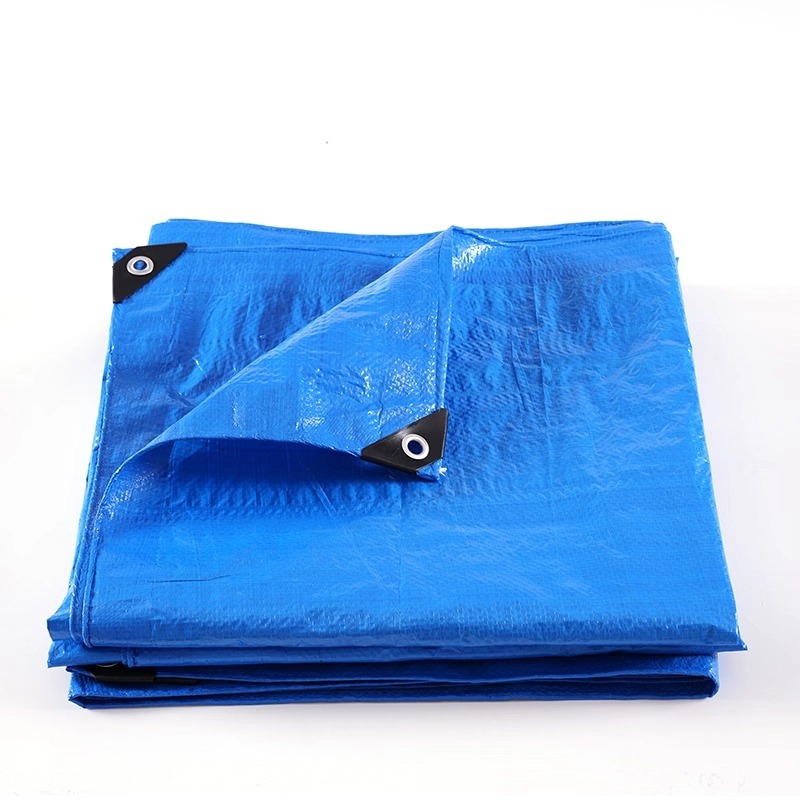
Durability is one of the most decisive factors in tarpaulin selection, and Industrial Textile directly determines how long a tarpaulin can perform without failure. Industrial environments subject tarpaulins to abrasion, puncture risks, vibration, and constant handling. Heavy duty Industrial Textile is designed to absorb these stresses while maintaining structural integrity.
Abrasion resistance is especially critical in applications where tarpaulins rub against rough surfaces or sharp edges. The dense fiber construction of Industrial Textile reduces surface wear and prevents micro-tears from spreading. This characteristic significantly extends service life and lowers replacement frequency, offering measurable cost efficiency over time.
Fatigue resistance is another essential property. Repeated folding, rolling, and tensioning can weaken conventional fabrics, but Industrial Textile retains its strength under cyclic stress. This makes it ideal for reusable tarpaulin systems that must perform consistently across multiple deployment cycles. In demanding sectors, durability is not just a feature—it is a functional requirement that only Industrial Textile can reliably meet.
Modern tarpaulins are expected to perform under extreme environmental conditions, from intense sunlight to heavy rainfall and chemical exposure. Industrial Textile provides the foundation for these protective capabilities. When combined with specialized surface treatments, it enables tarpaulins to function as high-performance barriers rather than simple covers.
For outdoor exposure, Industrial Textile for outdoor use offers resistance to UV degradation, moisture absorption, and temperature fluctuations. The textile substrate maintains strength even when coatings are challenged by prolonged environmental stress. This synergy ensures that protective functions remain effective throughout extended outdoor deployment.
In high-temperature or industrial processing environments, Heat resistant Industrial Textile plays a critical role. It maintains structural stability when exposed to elevated temperatures, preventing shrinkage or loss of tensile strength. Similarly, Coated Industrial Textile enhances resistance to oils, chemicals, and pollutants, allowing tarpaulins to protect equipment and materials in aggressive industrial settings.
Environmental resistance is not a single feature but a system of interacting properties. Industrial Textile ensures that these properties work together cohesively, delivering reliable performance where failure is not an option.
Safety considerations have become increasingly important in modern tarpaulin design, particularly in construction, transportation, and industrial facilities. Industrial Textile supports compliance with strict safety standards by enabling specialized functional enhancements without compromising structural strength.
One of the most critical examples is Flame retardant Industrial Textile. In environments where fire risk exists, tarpaulins must resist ignition and limit flame spread. The textile substrate is engineered to work in harmony with flame-retardant treatments, ensuring long-term effectiveness even after repeated use or exposure.
Mechanical safety is equally important. Tarpaulins made from Industrial Textile maintain predictable load behavior, reducing the risk of sudden failure under stress. This reliability protects workers, equipment, and surrounding infrastructure. Additionally, the material’s compatibility with reinforcement zones, seams, and attachment systems enhances overall safety performance.
By supporting advanced functional requirements without sacrificing durability, Industrial Textile allows tarpaulins to meet regulatory demands while maintaining operational efficiency.
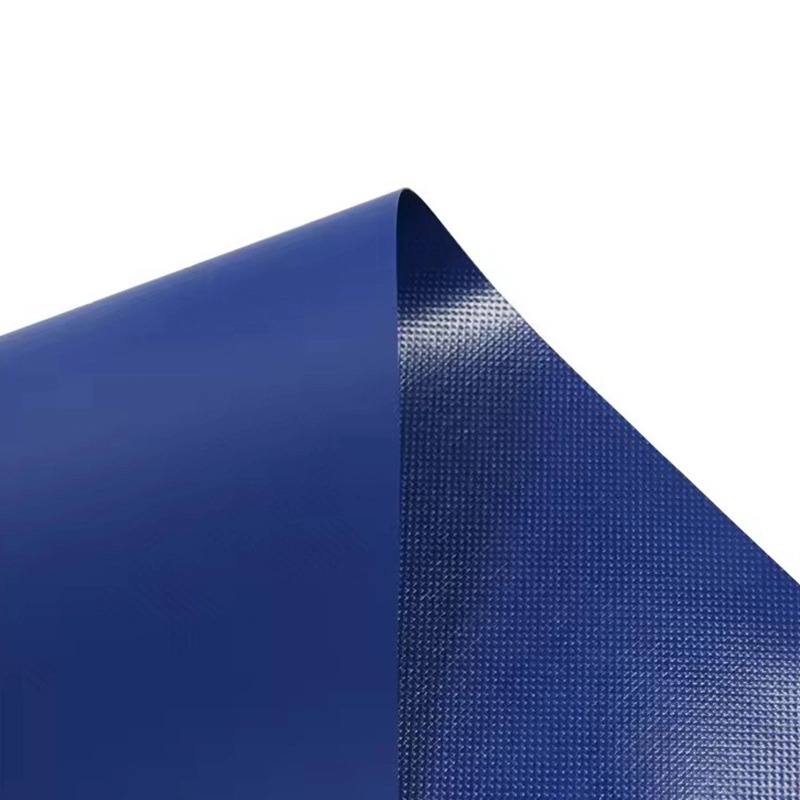
One of the defining strengths of Industrial Textile is its adaptability across a wide range of applications. Modern tarpaulins must perform in diverse environments, often serving multiple functions within a single deployment. Industrial Textile for outdoor use provides the flexibility to meet these varied demands.
In logistics and transportation, tarpaulins must be lightweight enough for handling yet strong enough to secure heavy loads. Industrial Textile balances these requirements by offering high strength-to-weight ratios. In construction and infrastructure projects, tarpaulins function as temporary walls, weather barriers, or dust containment systems, requiring both durability and environmental resistance.
This adaptability extends to customization. Industrial Textile can be engineered with different weave densities, coatings, and treatments to suit specific operational needs. Whether the priority is abrasion resistance, thermal stability, or moisture protection, the textile serves as a versatile foundation that supports tailored tarpaulin solutions without structural compromise.
Sustainability has become a critical consideration in material selection, and Industrial Textile is evolving to meet these expectations. Modern tarpaulin solutions increasingly rely on Biodegradable Industrial Textile or recyclable textile systems to reduce environmental impact without sacrificing performance.
Durability itself contributes to sustainability. Longer-lasting tarpaulins reduce material consumption and waste generation over time. Industrial Textile supports this by maintaining functional integrity throughout extended service cycles. Additionally, advances in coating compatibility allow for more environmentally responsible surface treatments that align with global sustainability goals.
Manufacturers are also exploring closed-loop material systems, where Industrial Textile components can be recovered and reused. This shift reflects a broader industry movement toward responsible material engineering, where performance and environmental impact are addressed simultaneously.
| Property Category | Role of Industrial Textile in Tarpaulins | Practical Benefit |
|---|---|---|
| Tensile Strength | High-tenacity fiber construction | Prevents tearing under load |
| Abrasion Resistance | Dense weave and durable yarns | Extended service life |
| Environmental Resistance | Compatible with coatings and treatments | Reliable outdoor performance |
| Safety Features | Supports flame-retardant and heat-resistant systems | Improved compliance and risk reduction |
| Sustainability | Enables recyclable and biodegradable options | Reduced environmental impact |
The evolution of modern tarpaulin solutions reflects increasing performance demands across industrial, outdoor, and safety-critical applications. Industrial Textile stands at the center of this evolution, providing the structural strength, durability, and adaptability required to meet these challenges. From Heavy duty Industrial Textile that defines longevity to Flame retardant, Heat resistant, and Biodegradable variants that address specialized needs, this material category enables tarpaulins to function as engineered solutions rather than simple covers. As performance expectations and sustainability priorities continue to rise, Industrial Textile will remain essential to the future of advanced tarpaulin systems.
1.What makes Industrial Textile different from conventional fabric in tarpaulins?
Industrial Textile is engineered for predictable strength, durability, and functional integration, while conventional fabrics lack the structural reliability needed for demanding applications.
2.Why is Heavy duty Industrial Textile important for long-term use?
It resists abrasion, fatigue, and mechanical stress, ensuring consistent performance and reducing replacement frequency.
3.How does Industrial Textile support outdoor tarpaulin applications?
Industrial Textile for outdoor use maintains strength under UV exposure, moisture, and temperature changes, making it suitable for long-term external deployment.
4.Are sustainable options available within Industrial Textile tarpaulin systems?
Yes, advancements in Biodegradable Industrial Textile and recyclable materials support sustainability without compromising performance.


